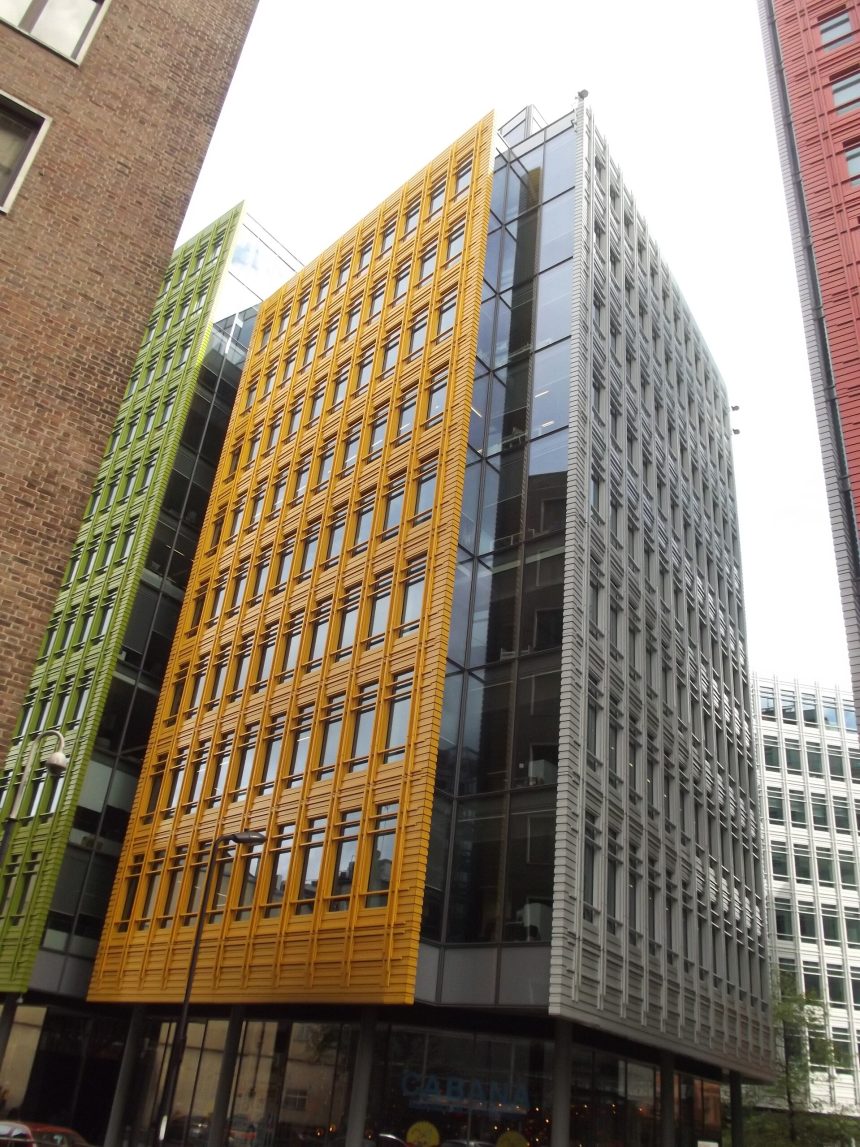
Office real estate is reinventing itself, slowly. The grand predictions of the office’s death have not come true, but neither has the old world returned. Instead, landlords, employers and cities are engaged in a long, uneven experiment: fewer desks, better buildings, shorter leases and new uses for the towers that no longer fill from Monday to Friday.
The divide in the market is stark. New, energy-efficient buildings in good locations, with natural light, reliable lifts and space to collaborate, are letting well. Older blocks with poor insulation and inflexible floors are struggling, and some are worth more as homes, hotels or laboratories than as offices. Readers of our business coverage will know this is as much a finance story as a property story, because pension funds and lenders are exposed to the outcome.
What tenants now demand
Hybrid working has changed what companies buy. With staff in the office for part of the week, firms take less space but expect more from it: meeting rooms that support video calls properly, quiet areas for focused work, decent coffee and buildings that help them meet environmental targets. Location still matters enormously. Offices near transport, food and childcare are easier to justify to employees who can otherwise work from home.
Lease terms have shifted accordingly. Shorter commitments and flexible space, once the preserve of start-ups, are now part of mainstream negotiations. Landlords who once waited for a single tenant to take a whole floor increasingly subdivide buildings, add management services and market the office as an experience rather than a commodity. The rent for the best space has held up surprisingly well in several major cities, even as average values across the whole market have fallen.
Conversion, carbon and the hard cases
For buildings that cannot compete, conversion is the obvious answer and the difficult one. Turning offices into flats can work where floor plans allow light into every room and planning rules cooperate, but many deep-plan towers resist simple conversion. Demolition carries a heavy carbon cost, which is why engineers increasingly argue for retrofit first, a case examined in detail by The Guardian in its coverage of sustainable construction.
Finance is the other obstacle. Higher interest rates have raised the cost of refurbishment just as values have fallen, leaving some owners unable to fund improvements or repay loans. Lenders, in turn, are pressing for realistic plans rather than hopeful valuations. The result is a slow sorting process, building by building, in which the strongest assets attract capital and the weakest wait for new owners, new uses or public intervention.
A slower, more useful office market
Cities have a stake in the outcome. Office districts support transport networks, shops and cultural life, and a hollow centre helps nobody. Planners are therefore encouraging mixed neighbourhoods, where offices sit alongside homes, universities and leisure, so that streets stay alive beyond the working day. Employers, too, are learning that the office works best as a tool for collaboration, training and culture, not as a container for rows of identical desks.
Workers themselves are not passive in this process. Surveys of office staff consistently show that people will travel for a workplace that offers something home cannot: colleagues in the same room, proper equipment, a change of scene and a clear boundary between work and domestic life. They resist commuting for a day of video calls at a worse desk than the one in the spare room. That verdict explains why employers downsizing their space often spend the savings on improving what remains. The office has become a choice that managers must justify each week, and the buildings winning that argument are the ones designed around how people actually work now, not how they worked a decade ago.
The reinvention will take years, and it will look different in every city. But the direction is set: less space, used better; greener buildings; more flexible terms; and honest decisions about the blocks that have no future as offices. Slow, in this market, does not mean static. It means the change is finally being built to last.