The long era of chasing the cheapest factory on the other side of the world is giving way to something more cautious. Manufacturers across North America and Europe are moving production closer to their customers, a shift executives call reshoring or nearshoring, and it is gathering pace in everything from car parts to clothing. Readers tracking business and industry coverage will recognise the drivers: shipping shocks, geopolitical tension and customers who no longer accept months of delay.
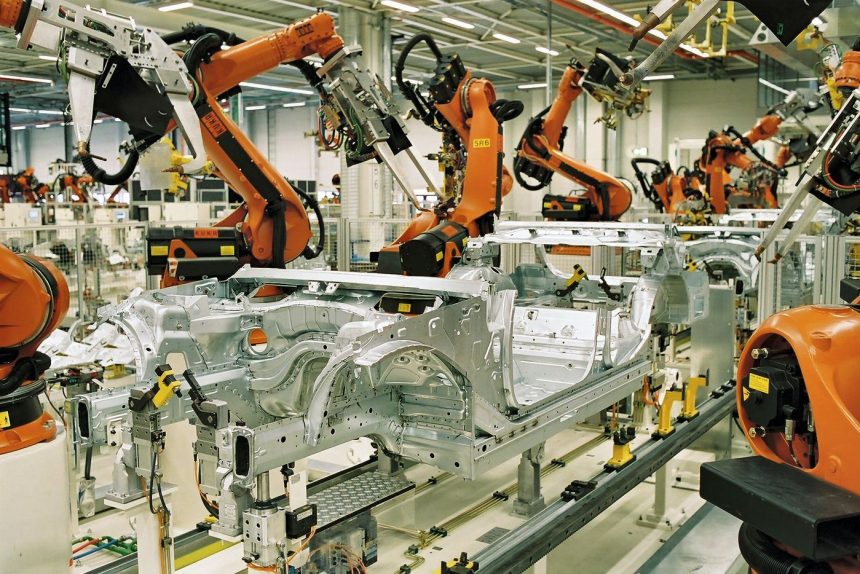
The economics have changed too. Wage gaps between continents have narrowed, energy and freight costs are volatile, and automated production lines need fewer hands than the labour-intensive plants of the past. When a robot does the repetitive work, the advantage of a low-wage location shrinks, and being two days from the customer instead of two months starts to look worth paying for.
Governments are sweetening the deal
Industrial policy is doing much of the heavy lifting. Subsidies for semiconductor plants, battery factories and defence manufacturing have pulled billions in investment toward domestic sites. Regional development agencies report waiting lists for industrial land near ports and motorway junctions, and construction firms say factory building is one of their busiest segments.
Critics warn that reshoring can push prices up and that some announcements are more political than practical. Skills are the harder problem: several regions report thousands of unfilled technician and engineering roles. Reporting by Reuters on global manufacturing has highlighted how training pipelines, not money, may decide which reshoring projects actually open on time.
A permanent change, or a pendulum swing?
Most supply chain experts expect a hybrid future: critical components made close to home, commodity goods still imported, and companies holding more stock than the just-in-time era allowed. The change is less about abandoning global trade than insuring against its failures.
Ports and planners feel the knock-on effects
The reshoring wave is reshaping places far from the factory floor. Port cities that expected decline are marketing themselves as nearshoring hubs, while inland logistics parks advertise rail links and available labour in the language once used for tax breaks. Planning systems are straining in a new way: applications for warehouses and plants now arrive faster than councils can assess them, and grid operators report queues for the large electricity connections that modern automated factories require. Several governments have responded with fast-track permitting zones and pre-approved industrial sites, recognising that a factory delayed two years by paperwork is a factory that may open in another country. The competition to host production has become as serious as the competition to host headquarters once was — a measure of how completely the assumptions of the offshoring era have inverted.
For workers in former industrial towns, the trend brings cautious hope. New plants are smaller and more automated than the giants of the past, but they anchor suppliers, apprenticeships and tax revenue around them. Whether the pendulum swings back will depend on costs, but for now the map of manufacturing is being redrawn closer to home.