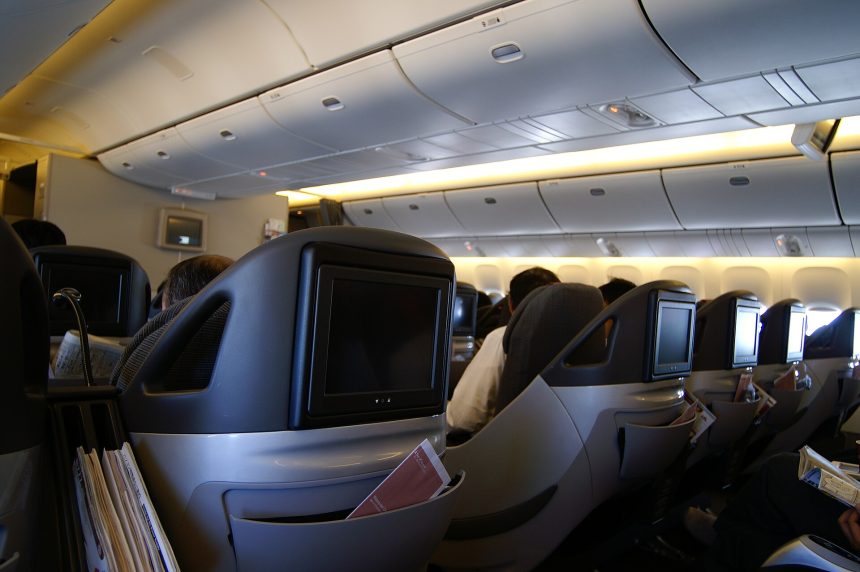
The most important real estate on a modern airliner is no longer at the back. Airlines are betting big on the front of the plane, expanding premium cabins, raising fares for lie-flat seats and redesigning lounges, as they chase the travellers who kept profits aloft while parts of the wider market softened. It is a strategy built on a simple observation: a relatively small number of passengers now generate a strikingly large share of revenue.
Premium demand has proved resilient. Corporate travel has not returned to its old patterns, but affluent leisure travellers have stepped in, paying for space, sleep and flexibility on long journeys. Airlines describe customers trading up for honeymoons, milestone holidays and long-haul trips saved for over several years. Our travel coverage has tracked the same shift across hotels and rail, where the premium end of the market keeps outperforming the budget tier.
Why the front of the plane pays
The arithmetic is compelling. A business class seat takes up more floor space than an economy seat, but it can sell for several times the price, and premium economy has emerged as an especially profitable compromise, offering more room without the full cost of a lie-flat bed. Ancillary income strengthens the case further: premium passengers buy lounge access, extra baggage, flexible tickets and loyalty rewards at higher rates, and they are more likely to hold the co-branded credit cards that have become a financial engine for large carriers.
Investors have noticed. Reporting by Reuters on airline results in recent seasons has repeatedly highlighted premium revenue growing faster than the rest of the cabin, even when overall passenger growth slowed. That performance explains why carriers are willing to spend heavily on new seats, larger entertainment screens, better food and bedding partnerships. On competitive long-haul routes, the product at the front is now the advertisement for the whole airline.
The risks of chasing the premium passenger
There are limits to the strategy. Premium cabins are expensive to install and slow to change; an airline that misjudges demand is stuck with the layout for a decade. Economic downturns hit discretionary upgrades quickly, and corporate travel policies can tighten overnight. There is also a reputational balance to strike. As the front of the aircraft gains space and attention, economy cabins on some aircraft have become denser, and passengers notice the contrast.
Environmental pressure adds another complication. Premium seats carry a larger carbon footprint per passenger because they occupy more of the aircraft. Airlines answer with newer, more efficient planes, sustainable aviation fuel purchases and carbon reporting, but the tension between premium growth and climate commitments is not easily resolved. Regulators and shareholders are both asking harder questions about how the numbers fit together.
What it means for everyone else
For economy passengers, the picture is mixed rather than simply worse. Competition at the back remains fierce, basic fares keep headline prices low, and technology funded by premium profits, from faster wi-fi to better apps, usually spreads through the cabin eventually. Frequent flyers in economy also benefit when loyalty programmes, enriched by premium spending, offer more redemption seats and status perks.
Cabin crew and ground staff feel the shift as well. Premium passengers expect more personal service, faster problem-solving and a standard of catering that requires training and time, so airlines competing at the front must invest in people as much as in seats. Several carriers have rebuilt their service training around long-haul premium routes, while airports have expanded fast-track security and lounge capacity to match. None of this is cheap, and it raises the stakes when flights are disrupted, because the passengers paying the most also complain the loudest when the promised experience fails to materialise at the gate or on board.
The bet on the front of the plane is therefore likely to continue, shaped by route and by season. Airlines will keep experimenting with cabin sizes, dynamic pricing and premium economy as the new middle ground. The carriers that succeed will be those that can fill the expensive seats without forgetting that most of their passengers, and much of their public reputation, still travel behind the curtain.