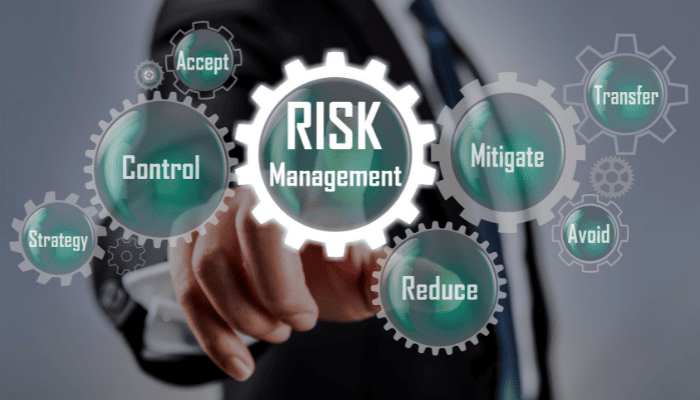
Workplace safety is a fundamental responsibility for organisations across all industries. Ensuring a safe working environment protects employees, reduces operational disruptions, and supports long-term business sustainability. As regulations and expectations continue to evolve, businesses are increasingly expected to adopt structured safety and health management practices.
A proactive approach to workplace safety goes beyond compliance. It involves identifying risks, implementing preventive measures, and fostering a culture where safety is prioritised at every level.
Why Workplace Safety Management Matters
Every workplace carries potential risks, whether physical, operational, or environmental. Accidents and injuries can result in lost productivity, financial costs, and reputational damage. More importantly, they can have lasting physical and emotional impacts on workers.
Effective safety management reduces these risks by establishing clear procedures and responsibilities. It also encourages employees to remain vigilant and engaged in maintaining a safe work environment.
Core Principles of Safety and Health Systems
A structured safety and health system is built on several key principles. Risk identification is the first step, requiring organisations to evaluate workplace hazards and assess potential impacts. Once risks are identified, controls and preventive measures are implemented to minimise exposure.
Communication is another critical component. Employees must be aware of safety expectations and receive adequate training to perform tasks safely. Clear documentation and regular reviews help ensure continued effectiveness.
Role of Risk Assessment and Control Measures
Risk assessment enables organisations to understand where potential dangers exist and how they can be managed. This includes evaluating equipment, work processes, and environmental conditions.
Control measures may involve procedural changes, use of personal protective equipment, or adjustments to workflows. Regular monitoring ensures that these measures remain effective and evolve alongside business operations.
Building a Safety-Oriented Workplace Culture
Safety is most effective when it is ingrained in organisational culture. Leadership commitment sets the tone by demonstrating that employee well-being is a priority. When management actively supports safety initiatives, employees are more likely to follow suit.
Encouraging open communication about hazards and near-misses fosters trust and continuous improvement. A positive safety culture empowers staff to take responsibility for their own safety and that of their colleagues.
Training and Employee Engagement
Training plays a vital role in maintaining safety standards. Employees who understand potential risks and proper procedures are better equipped to prevent accidents.
Ongoing training updates ensure that staff remain informed about new processes, equipment, or regulatory changes. Engaged employees are more likely to comply with safety protocols and contribute to safer workplaces.
Organisations seeking to strengthen their safety framework may come across CCIS bizsafe level 3 while exploring structured approaches to implementing workplace safety and health management systems.
Benefits of Structured Safety Frameworks
Adopting a recognised safety framework supports consistency across operations. It provides clear guidelines for managing risks and helps organisations demonstrate commitment to safety standards.
Such frameworks also support regulatory compliance and improve operational efficiency by reducing incidents and downtime. Over time, consistent safety practices contribute to improved employee morale and organisational resilience.
Continuous Improvement and Review
Workplace safety is an ongoing process. Regular audits and reviews help organisations identify gaps and areas for improvement. Continuous evaluation ensures that safety measures remain relevant and effective as business operations evolve.
Feedback from employees and incident analysis play important roles in refining safety strategies. This iterative approach supports long-term success and adaptability.
Conclusion
Workplace safety management is a critical component of responsible and sustainable business operations. By identifying risks, implementing effective controls, and fostering a strong safety culture, organisations can protect their workforce and enhance overall performance.
A structured and proactive approach to safety supports compliance, productivity, and employee well-being, creating a safer and more resilient workplace over time.