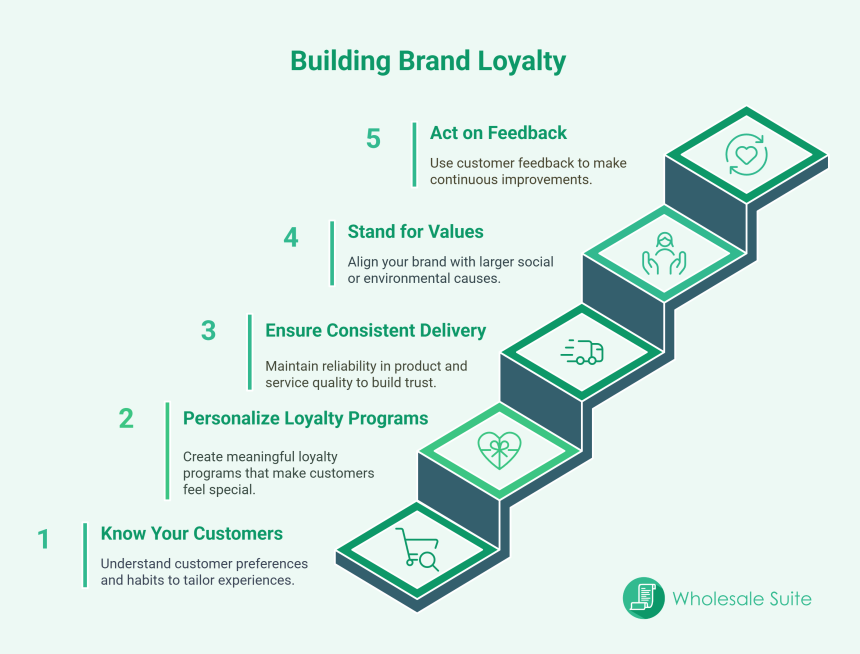
A lot of people still think marketing is mostly about advertising. They picture flashy campaigns, sales slogans, and constant attempts to grab attention. Advertising is certainly part of it, but good marketing goes much deeper than that. At its best, marketing shapes how people feel about a business long before they decide to buy anything.
Think about the brands people return to over and over again. Usually, it is not because of a single ad. It is because those companies built familiarity and trust over time. Customers began to feel confident in what they could expect. The experience felt consistent. The messaging made sense. The company seemed reliable.
That kind of connection does not happen accidentally. It comes from businesses understanding that marketing is really about communication and relationships. Every article, email, social post, review response, and website interaction contributes to how a company is perceived.
In many industries, products and services are more similar than companies would like to admit. Customers often have multiple options offering roughly the same thing. What separates one brand from another is not always price or features. Sometimes it is trust. Sometimes it is simply the feeling that one company understands its audience better than the rest.
Good marketing helps create that feeling.
Trust Is Built Through Consistency
One of the biggest mistakes businesses make is treating marketing like a short-term activity instead of an ongoing process. They run a campaign for a few weeks, then disappear. Or they shift messaging constantly, making it difficult for customers to understand who they really are.
Trust works differently. It develops through repetition and consistency.
When customers repeatedly encounter useful content, clear communication, and reliable experiences, confidence grows naturally. A company starts to feel familiar. That familiarity matters because people tend to buy from brands they recognize and understand.
Consistency also applies to tone and values. Businesses that communicate one thing publicly but behave differently in practice lose credibility quickly. Customers notice those gaps more than companies expect.
On the other hand, brands that stay aligned across their messaging, customer service, and overall experience tend to earn stronger loyalty. People begin to feel like they know what the business stands for. That emotional certainty becomes valuable over time.
Even small actions can influence trust. Responding thoughtfully to customer concerns, publishing genuinely helpful information, or maintaining transparency during problems all shape perception in lasting ways.
The Role of Content in Building Relationships
Content marketing has become one of the strongest trust-building tools available because it allows businesses to provide value before asking for anything in return.
A useful blog post, an educational video, or a detailed guide can answer questions customers already have. Instead of pushing for an immediate sale, the business becomes a source of information and support. That changes the relationship.
People remember brands that help them solve problems. They are also more likely to return when they feel informed rather than pressured.
This is one reason educational content tends to perform well over the long term. It continues working long after it is published. Someone searching for answers months later may still find that article or video and form a positive impression of the company behind it.
Content also humanizes businesses. It gives companies a chance to sound approachable and knowledgeable instead of distant or overly corporate. In crowded markets, that tone can make a real difference.
The businesses that earn loyalty are often the ones willing to communicate consistently without treating every interaction like a sales opportunity.
Why Customer Loyalty Matters More Than Quick Wins
Many companies focus heavily on customer acquisition while overlooking retention. Bringing in new buyers matters, but long-term growth becomes much harder when customers never return.
Loyal customers tend to spend more over time. They are also more likely to recommend a business to others, which creates a ripple effect that advertising alone cannot fully replicate.
Word-of-mouth recommendations still carry enormous weight because people trust personal experiences more than promotional claims. A customer who genuinely believes in a brand becomes a form of marketing on their own.
This is where strong branding and customer experience begin working together. Marketing attracts attention initially, but loyalty develops through follow-through. The company has to deliver on what was promised.
Businesses that focus only on short-term conversions often struggle with this balance. Aggressive campaigns may generate temporary spikes in sales, but if the experience afterward feels disappointing or disconnected, trust erodes quickly.
Long-term loyalty requires patience. It comes from repeatedly proving that the company values the relationship beyond a single transaction.
How Strong Marketing Shapes Brand Identity
Marketing also plays a major role in defining how a company is viewed in the market. People form impressions quickly, sometimes within seconds of landing on a website or seeing a piece of content.
A polished, thoughtful brand presence suggests professionalism. Clear messaging suggests confidence. Consistent visuals and communication create familiarity. All of those elements contribute to credibility before a customer even speaks with someone directly.
This becomes especially important online, where competition is constant and attention spans are limited. Businesses often have only a short window to establish trust.
Strong marketing helps companies stand out without relying solely on volume or aggressive promotion. It gives customers a reason to remember the brand later.
Over time, that recognition compounds. People may see a company multiple times before they are ready to buy. When the moment finally arrives, the familiar brand usually has an advantage.
That is why good marketing is rarely just about immediate sales. It is about shaping long-term perception.
Where Agencies and Strategic Guidance Fit In
Not every business has the internal resources to manage branding, content, search visibility, advertising, and customer engagement effectively at the same time. That is why many companies turn to agencies or outside specialists for support.
Some businesses work with firms like 97th Floor when they want a more strategic approach to digital growth and brand development. The value of these partnerships often comes from experience across different industries and the ability to identify opportunities businesses may not recognize internally.
An outside perspective can be useful because internal teams sometimes become too close to their own messaging. They know the business so well that they unintentionally overlook what customers actually need to hear.
A good marketing strategy closes that gap. It helps companies communicate more clearly, strengthen trust with their audience, and build systems that support long-term loyalty instead of only chasing short-term visibility.
Still, no agency can replace authenticity. The strongest results happen when businesses remain genuinely committed to serving customers well while using marketing to communicate that value effectively.
Marketing as a Long-Term Investment
The companies people trust most usually did not build that reputation overnight. It came from years of consistent communication, reliable experiences, and thoughtful engagement with customers.
Good marketing supports that process. It keeps businesses visible, helps them stay connected with their audience, and reinforces the qualities that make customers want to return.
Advertising may attract attention initially, but trust is what keeps people around. Loyalty is what turns one-time buyers into long-term supporters. In many cases, those relationships become more valuable than any single campaign.
That is why marketing should never be viewed only as promotion. At its core, it is about creating meaningful connections between businesses and the people they serve.
When companies understand that, their marketing begins to feel different. Less transactional. More human. And in a crowded market where customers have endless choices, that difference matters more than ever.