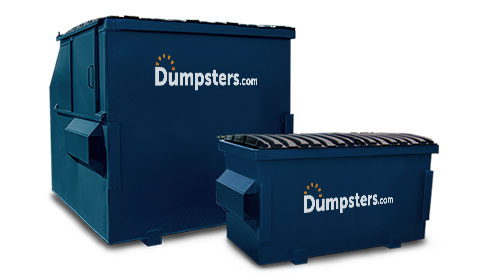
Selecting the right onsite waste container is a practical decision that affects timelines, safety and budgets. Whether you are overseeing a home renovation, a commercial build or a site cleanup, container pricing reflects a mix of equipment, handling and disposal expenses. Knowing what influences costs helps you pick the appropriate size and service without paying for unnecessary capacity or incurring surprise charges at the end of a project.
What Determines Price
Price is shaped by several predictable factors. Container dimensions and type are central: small bins intended for yard waste cost less to deliver and pick up than large roll-offs designed for construction debris. Rental duration affects the upfront fee and any extension charges. Weight allowances and tipping fees at the receiving facility drive cost when heavy materials are involved. The composition of the load—whether it is clean recyclable material, mixed construction waste or regulated hazardous items—also changes how a company prices a job because disposal streams and required permits vary.
Size, Capacity and Typical Uses
Containers are sized to match job scope, from compact bins for minor cleanups to 20- or 40-yard roll-offs for major demolition. Selecting size is not only about volume but about the density of materials. For instance, soil or concrete occupies less space but weighs much more, which can trigger overweight fees. Conversely, bulky but lightweight items like furniture may fill a large container quickly. Splitting loads by material type can reduce landfill costs and simplify recycling, often lowering overall expenses.
Rental Periods and Scheduling
Most providers offer a base rental period that includes delivery, a set window for use and a pickup, with additional days billed as extensions. Short-term projects sometimes qualify for promotional rates; long-term or repeat contractors may negotiate monthly pricing. Clear scheduling reduces the chance of incurring extra fees for late returns, emergency pickups or re-delivery if a placement needs adjustment. Ask about flexibility if your timeline is uncertain.
Tipping Fees, Weight Limits and Overages
Tipping fees are a major component of final costs and differ regionally. These charges are applied by the landfill or transfer station and vary based on material type and weight. Each container has a weight limit tied to truck capacity and safety protocols; exceeding it results in overweight fees or requests to remove material. Dense materials like masonry and dirt are best managed with containers rated for heavier loads to avoid steep surcharges.
Permits, Access and Placement Considerations
Local regulations often dictate when and where you can place containers, particularly on public streets. Permit fees depend on municipality and duration. Accessibility also affects the service charge: narrow driveways, overhead obstructions or limited turnaround space can require manual handling or special equipment, increasing labor costs. Plan the placement in advance to minimize obstruction, secure necessary permits early and prevent ticketing or removal by authorities.
Special Materials and Disposal Restrictions
Not all waste is accepted as general refuse. Electronics, appliances with refrigerants, asbestos, paint and certain chemicals require special handling and disposal paths. Including restricted items in a standard load can lead to heavy fines and additional transportation to specialized facilities. Confirm with your provider which materials are prohibited and ask how they handle regulated items so you can either pre-sort or arrange an appropriate alternative container.
Service Fees: Delivery, Pickup and Fuel Surcharges
Delivery and pickup fees account for logistics, driver time and vehicle costs. Remote locations, multiple stops and off-hour requests can increase service charges. During periods of elevated fuel costs, companies may add a surcharge. Verify whether quotes include both delivery and haul-away and ask if any seasonal or temporary surcharges may apply to your project.
How to Compare Quotes Effectively
When you solicit estimates, request itemized quotes listing base rental, anticipated tipping fees, weight limits, fuel or service surcharges and permit charges. Comparing apples to apples means checking the rental period included, the allowed weight and any exclusion policies. Quotes that omit an itemized breakdown can mask fees that appear later; a transparent provider documents all components so you can assess total cost and negotiate fair terms.
Cost-Saving Strategies
Smart planning can reduce expenses without sacrificing service. Sorting recyclable materials on-site lowers landfill fees and sometimes yields rebates for certain commodities. Scheduling jobs during off-peak times may secure better rates. Sharing a container with a neighboring project, staging deliveries to match production, and avoiding prohibited items in the load are practical ways to avoid unnecessary charges. Communicate project scope clearly so providers can recommend the most economical setup.
Example Pricing Scenarios
While local rates vary, a small week-long residential bin will typically cost significantly less than a week-long roll-off used for a large renovation. The tipping fee per ton and any permit charges will influence the final number more than the nominal rental fee in many cases. Compare a bundled quote that includes delivery, disposal and pickup against an itemized quote where each line is transparent to decide which is truly more economical for your circumstances. For a snapshot of regional trends and a quick comparison between providers, search for dumpster rental prices to see current market ranges and better understand local baselines.
Choosing the Right Provider
Price is important, but reliability, licensing, insurance and clear communication matter equally. A reputable company provides a written contract, explains prohibited materials, lists potential surcharges and responds promptly to scheduling changes. Check references and reviews, and ask to see proof of insurance and any necessary operating permits.
Final Considerations for Project Planning
Budgeting accurately for onsite waste containers means combining a realistic assessment of volume and material types with an understanding of local disposal fees and permit requirements. Request detailed, written quotes and maintain open communication with your provider throughout the project. With proper planning, you can control costs, avoid penalties and ensure waste handling supports project timelines and safety standards.