What Is a CBD THC Beverage Enhancer?
A CBD THC beverage enhancer is a cannabinoid-containing product designed to be added to a liquid to create a cannabinoid-infused drink. These products generally contain tetrahydrocannabinol (THC), cannabidiol (CBD), or a combination of both. They are available in different formats, including liquid additives, powders, and concentrated servings intended for mixing.
The growing visibility of cannabinoid beverages has made product education increasingly important. Understanding the ingredients, cannabinoid concentrations, manufacturing information, and potential effects can help consumers interpret product labels more carefully. THC is psychoactive and may affect concentration, coordination, perception, and reaction time, while CBD is generally not intoxicating in the same way.
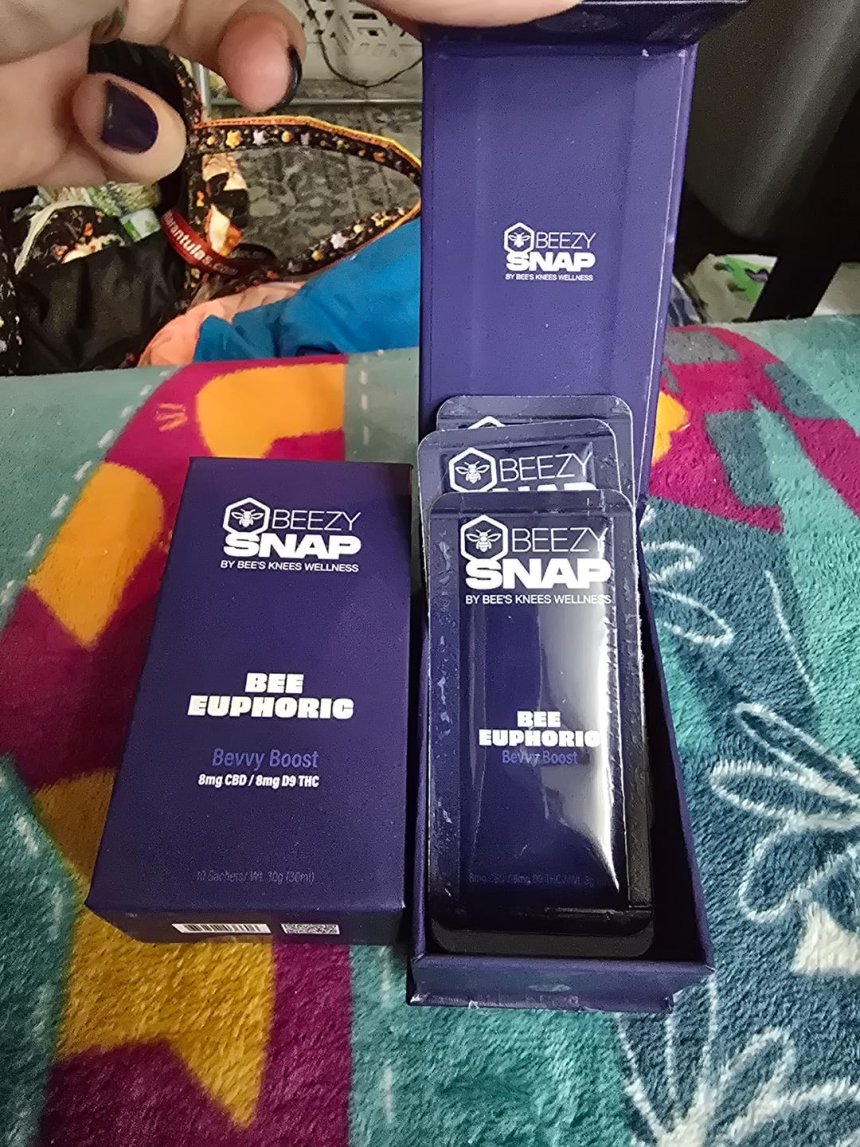
Beezy Snaps features cannabinoid beverage products and provides information about its formulations, serving quantities, and testing documentation. Consumers interested in understanding the category can explore the CBD THC beverage enhancer information available on the company’s website.
How Are Beverage Enhancers Different From Ready-to-Drink Products?
Ready-to-drink cannabinoid beverages are manufactured with cannabinoids incorporated into the beverage itself. Beverage enhancers, on the other hand, are typically supplied separately and intended to be added to another liquid according to the product’s directions.
This distinction can affect packaging, serving information, ingredients, and how consumers interpret potency. However, the format alone does not determine the safety, effectiveness, or predictability of a cannabinoid product.
Consumers should read the packaging carefully to understand whether the stated cannabinoid quantity refers to an individual serving, a container, or the entire package.
What Should You Know About THC and CBD in Beverage Formulations?
THC and CBD are cannabinoids that interact with the body’s biological systems, but their effects are not identical. Understanding these differences is important when evaluating products containing both compounds.
What Is THC and How Can It Affect the Body?
Tetrahydrocannabinol, commonly known as THC, is the primary intoxicating cannabinoid associated with cannabis. THC may influence mood, sensory perception, memory, attention, and motor coordination.
The effects of THC can vary based on individual sensitivity, tolerance, metabolism, dosage, the product formulation, and other factors. Some people may experience unwanted effects, including anxiety, dizziness, impaired judgment, confusion, or an increased heart rate.
THC-containing beverages should not be assumed to produce mild or predictable effects simply because they are consumed as drinks. Product format does not eliminate the risks associated with intoxication.
What Is CBD and Why Is It Included?
Cannabidiol, or CBD, is another cannabinoid commonly found in hemp-derived products. Unlike THC, CBD is not generally associated with the same intoxicating effects. It is often included in cannabinoid formulations, but its presence does not guarantee that THC-related impairment or adverse effects will be prevented.
CBD may also interact with medications and may cause side effects. Consumers with medical concerns or those taking prescription medicines should consult a qualified healthcare professional before considering cannabinoid products.
The combination of THC and CBD should be evaluated based on actual product composition and available evidence, rather than assumptions about how the two compounds interact.
How Can You Evaluate a THC Cocktail Enhancer?
Evaluating a THC cocktail enhancer involves looking beyond product packaging and marketing descriptions. The concentration of cannabinoids, ingredient list, laboratory testing, and usage instructions all contribute to understanding what a product contains.
Why Is Cannabinoid Potency Important?
Potency refers to the amount of a particular cannabinoid present in a product or serving. Product labels may list THC and CBD quantities separately, and consumers should pay attention to both measurements.
Before evaluating a cannabinoid beverage product, consider the following:
- THC content: Identify the quantity of THC per serving and per package.
- CBD content: Determine whether CBD is included and how much is present.
- Serving information: Review the manufacturer’s instructions and warnings.
- Ingredient composition: Examine the ingredients for potential allergens or other substances that may be relevant.
- Product storage: Follow the stated storage requirements to maintain product quality.
Understanding potency is especially important because THC effects can be delayed and may last longer than expected. Consuming additional amounts before the effects are fully understood can increase the likelihood of adverse reactions.
For product-specific information, the THC cocktail enhancer page provides details about Beezy Snaps’ particular formulation. Product specifications should be interpreted according to the label and supporting documentation rather than generalized assumptions about cannabinoid beverages.
What Role Does Third-Party Laboratory Testing Play?
Independent laboratory testing can help verify product composition and identify certain contaminants. A Certificate of Analysis, or COA, is a laboratory document that provides results for a tested product or batch.
When reviewing a COA, consumers may look for:
- Cannabinoid concentrations and potency results.
- Testing for pesticides and heavy metals.
- Residual solvent screening, where relevant.
- Microbial testing, where applicable.
- Laboratory identification and testing dates.
- Batch or lot information that corresponds with the product.
Third-party testing can support product transparency, but it does not establish that a cannabinoid product is entirely safe or suitable for every individual. Testing scope, laboratory methods, and the specific batch tested all matter.
What Safety Factors Should You Consider Before Using Cannabinoid Beverages?
Cannabinoid beverages require careful consideration because THC can cause impairment and potentially unwanted effects. Responsible product evaluation should include awareness of individual health factors, legal restrictions, and storage practices.
How Can THC-Related Risks Be Reduced?
Consumers should understand that THC may affect their ability to make decisions, coordinate movements, and respond to surroundings. These effects can be particularly concerning when combined with alcohol, sedatives, or other substances that affect the central nervous system.
Important precautions include:
- Avoid driving or operating machinery after THC consumption.
- Do not combine THC with alcohol or other intoxicating substances.
- Keep cannabinoid products away from children and pets.
- Store products securely and in their original packaging.
- Avoid THC during pregnancy or breastfeeding.
- Seek professional medical guidance regarding medication interactions or health concerns.
- Understand the applicable laws before purchasing, possessing, or using cannabinoid products.
These precautions are important regardless of whether THC is consumed through a beverage, edible, or another formulation.
Why Is Product Transparency Important?
Clear labeling and accessible product information are important considerations when evaluating cannabinoid products. Consumers should be able to identify the ingredients, cannabinoid concentrations, serving details, warnings, and relevant testing documentation.
Products with unclear labels, incomplete ingredient information, or unsupported health claims warrant caution. Marketing statements should not replace scientific evidence or professional healthcare advice.
Transparency also involves understanding what laboratory testing can and cannot establish. A tested product may still present risks, particularly for individuals who are sensitive to cannabinoids or who have underlying medical concerns.
Conclusion: How Can You Make an Informed Decision About CBD THC Beverage Enhancers?
CBD THC beverage enhancers are part of an expanding cannabinoid product category, but evaluating them requires attention to formulation, dosage, labeling, laboratory testing, and potential risks. THC can cause intoxication and impair coordination, concentration, and judgment, while CBD may have its own side effects and medication interactions.
Consumers should prioritize reliable product documentation, carefully review serving information, and avoid relying on unsupported claims about safety or therapeutic benefits. Understanding the legal requirements in the relevant jurisdiction is equally important.
For additional information regarding Beezy Snaps’ products, ingredients, or general inquiries, the company’s Contact Us page provides a direct communication resource. Responsible decision-making begins with accurate information, careful consideration of individual circumstances, and an understanding of the limitations of cannabinoid products.