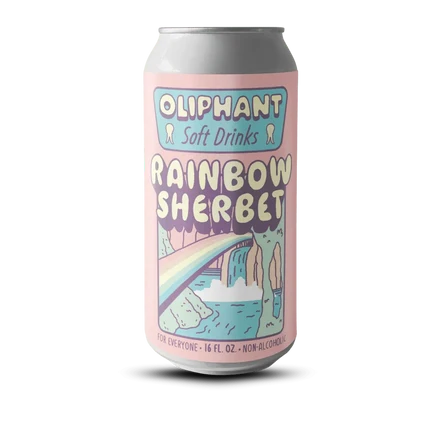
The beverage industry continues to introduce products that combine familiar drink formats with different ingredients and formulations. Cannabis beverages have attracted attention for their ready-to-drink convenience, flavour variety, and alternative format compared with traditional edibles. Anyone researching thc infused soda may encounter products with different cannabinoid concentrations, ingredients, and labelling practices. Understanding how these beverages are formulated, how their effects may differ, and what to check before purchasing can help consumers make informed decisions.
Why Cannabis Beverages Are Different from Traditional Edibles
Cannabis beverages are drinks containing cannabinoids, compounds derived from or associated with the cannabis plant. Depending on the formulation, these products may contain THC, CBD, or a combination of cannabinoids.
Traditional cannabis edibles are commonly available as gummies, chocolates, baked goods, and other food products. Beverages offer a different consumption format, with manufacturers developing options such as sparkling drinks, flavoured sodas, teas, and fruit-inspired refreshments.
The liquid format does not automatically make a product safer or faster acting. Its effects depend on the cannabinoid formulation, THC concentration, individual metabolism, and other factors. Consumers should avoid assuming that a beverage will behave like an ordinary soft drink simply because it comes in a familiar can or bottle.
What Goes Into a Cannabis-Based Drink?
The ingredients used in cannabis beverages vary by manufacturer. A typical formulation may include a liquid base, flavouring ingredients, sweeteners, carbonation, and a cannabinoid preparation.
THC is a psychoactive cannabinoid responsible for the intoxicating effects associated with cannabis. CBD is another well-known cannabinoid, but it does not produce the same intoxicating effects as THC.
One technical challenge in beverage production is that cannabinoids are naturally fat-soluble, meaning they do not readily mix with water. Manufacturers may use specialised formulation methods, including emulsification, to distribute cannabinoid ingredients throughout a liquid.
Emulsification involves dispersing small droplets of one substance within another. In beverage manufacturing, this can help create a more consistent liquid formulation. However, the quality and stability of the finished product depend on the formulation process, ingredients, and manufacturing controls.
Why Formulation and Labelling Deserve Attention
Two cannabis drinks with similar packaging may contain very different amounts of THC. Reading the product label is therefore essential.
Consumers should distinguish between the amount of THC in one serving and the total amount in the entire container. A bottle containing multiple servings may list a total cannabinoid quantity that is considerably higher than the amount in an individual serving.
Other useful label details include:
- THC and CBD quantities.
- Serving size and number of servings.
- Complete ingredient information.
- Manufacturer and product identification.
- Batch or lot number.
- Testing information and certificate of analysis, where available.
- Storage instructions and applicable warnings.
Independent laboratory testing can provide information about cannabinoid concentration and potential contaminants. Depending on the testing requirements in a particular jurisdiction, reports may also cover pesticides, heavy metals, residual solvents, and microbial contamination.
A clear certificate of analysis helps consumers verify product information rather than relying exclusively on advertising descriptions.
Flavour, Carbonation, and the Drinking Experience
Flavour development is a significant part of beverage manufacturing. Cannabis drinks may feature citrus, berry, tropical fruit, botanical, or other flavour profiles.
Carbonation can provide the familiar texture associated with sparkling soft drinks, while non-carbonated formulations may resemble teas or fruit beverages.
Sweeteners and flavouring agents also affect the finished product. Some manufacturers prefer lighter flavour profiles, while others create drinks with stronger fruit or botanical characteristics.
The challenge is balancing flavour with formulation stability. Cannabinoid ingredients, acidity, carbonation, and storage conditions can influence how a beverage performs over time.
Consumers should pay attention to storage recommendations and expiry information. A product’s appearance and flavour alone cannot establish its cannabinoid content or safety.
The Role of Brands and Beverage Manufacturing
The cannabis beverage category brings together different areas of expertise, including beverage production, ingredient sourcing, formulation, packaging, and regulatory compliance.
Oliphant Brewing is that may be encountered in discussions about craft beverages and cannabis-related drink offerings. As with any beverage brand, consumers should evaluate the specific product rather than making assumptions based on its name or category.
Product-specific information is particularly useful because formulations can differ considerably between manufacturers. A brand’s reputation does not replace the need to review ingredient lists, cannabinoid quantities, laboratory testing, and applicable legal requirements.
Manufacturers also need to consider packaging design. Cannabis-containing drinks should have clear labels and appropriate child-resistant packaging where required by law. Packaging should not encourage accidental consumption or create confusion with conventional soft drinks.
How Long Do Cannabis Beverages Take to Produce Effects?
The timing of effects depends on the formulation and the individual consuming the product. Cannabis beverages are generally considered edible cannabis products because they are consumed rather than inhaled.
The Centers for Disease Control and Prevention (CDC) states that edible cannabis products can take approximately 30 minutes to two hours to produce noticeable intoxicating effects. Their effects may also last longer than expected.
Some beverage formulations are marketed as fast-acting because of specialised cannabinoid delivery methods. However, advertised onset times should not be treated as guarantees. Individual responses can vary, and product formulation alone cannot predict an exact experience.
Consuming additional amounts before the initial effects become apparent can increase the risk of excessive intoxication. THC-containing beverages should never be treated like ordinary refreshments or consumed casually without considering their labelled cannabinoid content.
Legal Requirements and Responsible Consumption
Cannabis beverage regulations differ between countries, states, and local jurisdictions. Rules may cover manufacturing licences, permitted THC concentrations, retail sales, advertising, packaging, age restrictions, and laboratory testing.
In the United States, cannabis laws can vary significantly between states and federal law. Consumers should check the regulations applicable to their location before purchasing or possessing cannabis-containing beverages.
THC can affect coordination, judgement, reaction time, and perception. People should not drive, operate machinery, or undertake activities requiring full attention after consuming intoxicating cannabis products. Combining THC with alcohol or other intoxicating substances can increase impairment.
These beverages must also be stored securely away from children and pets. Accidental ingestion can cause serious health effects, particularly in young children. Anyone experiencing severe symptoms following accidental consumption should seek immediate medical assistance.
What Should Consumers Look for Before Buying?
A familiar flavour or attractive package should never be the only reason to select a cannabis beverage. Consumers should examine the product’s cannabinoid profile, serving information, ingredient list, manufacturer details, and available laboratory reports.
It is also useful to distinguish between THC-containing drinks and CBD-only beverages. Their ingredients and expected effects are different, and product descriptions should make this distinction clear.
People should also consider whether the product is legally available in their area and whether it meets local manufacturing and testing requirements. Reliable product information provides a clearer basis for evaluating quality than promotional claims about strength or performance.
As cannabis beverages develop as a distinct segment of the drinks market, informed purchasing decisions will depend on transparency, responsible manufacturing, and clear consumer information. Contact us today to learn more about beverage-related products, industry developments, and available information that can help you understand this growing category.