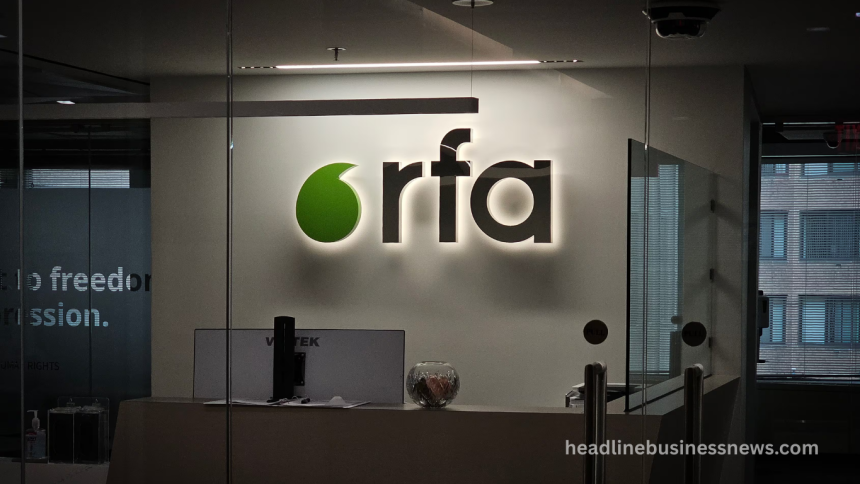
In an age where information is both a tool of empowerment and a weapon of control, the silencing of independent media voices is a red flag for any society. Radio Free Asia (RFA) has long served as a crucial outlet for uncensored reporting in regions where press freedom is heavily restricted. Its reporting sheds light on human rights abuses, political repression, and government accountability—topics that authoritarian regimes often prefer to keep in the dark.
Recent moves to suppress or expel RFA from various parts of Asia, particularly in countries with growing authoritarian tendencies, represent not just a loss of journalistic freedom but a strategic blunder. In silencing RFA, governments risk alienating their citizens, losing international credibility, and inviting global scrutiny. This article explores why stifling RFA ultimately does more harm than good to the regimes attempting to suppress it.
Undermining Credibility on the Global Stage
Efforts to silence RFA send a dangerous signal to the international community. Such actions suggest a lack of confidence in a government’s narrative and a fear of transparency. This undermines diplomatic relationships, reduces foreign investment, and invites criticism from global human rights organizations. Countries that muzzle media outlets like RFA may find themselves isolated on the international stage.
Fueling Domestic Distrust and Discontent
Suppressing independent journalism doesn’t eliminate public discontent—it merely hides it temporarily. Citizens increasingly turn to underground or foreign sources to seek the truth, often intensifying skepticism and resentment toward the regime. Blocking RFA may drive people to more radical or unverified sources, worsening misinformation and societal polarization.
Empowering the Voice of the Opposition
By targeting RFA, governments inadvertently amplify its significance. The attempt to silence only validates its importance in exposing truths, which in turn strengthens the resolve of opposition groups and civil society. Instead of quelling dissent, these actions often mobilize broader coalitions of activists and intellectuals.
Read More : Why Is Trump Unilaterally Dismantling US Defenses?
Creating a Dangerous Media Vacuum
Independent outlets like RFA serve as checks against propaganda and misinformation. Removing them creates a vacuum filled by state-run media, which often lacks credibility. A one-sided narrative leads to public disengagement, reduced trust in institutions, and poor policy feedback, ultimately weakening governance.
Risking Long-Term Economic Consequences
Countries that curtail press freedom often face long-term economic drawbacks. Investors prefer stable, transparent environments, and a free press plays a key role in accountability. By targeting RFA, governments jeopardize economic growth, increase capital flight, and risk sanctions or loss of trade privileges from democratic nations.
Igniting International Condemnation and Legal Pressure
Silencing RFA draws attention from international watchdogs and governments, potentially leading to sanctions, public condemnations, or legal actions under international human rights frameworks. The unintended consequence is a spotlight on the very issues the regimes seek to conceal.
Frequently Asked Questions
What is Radio Free Asia (RFA)?
Radio Free Asia is a U.S.-funded nonprofit news organization that reports on issues in Asian countries where the free press is restricted. It aims to provide uncensored and factual reporting.
Why do authoritarian governments target RFA?
RFA exposes government abuses, corruption, and human rights violations, making it a threat to regimes that rely on media control to maintain power.
How does silencing RFA affect local populations?
It limits access to unbiased news, forcing people to rely on state propaganda or underground sources, which can distort public understanding and hinder informed decision-making.
Is RFA biased in its reporting?
While funded by the U.S., RFA maintains editorial independence and adheres to journalistic standards. Its role is to report truthfully in regions where press freedom is suppressed.
What are the international implications of silencing RFA?
Silencing RFA can lead to diplomatic tensions, human rights criticisms, and sanctions from democratic nations and international organizations.
Can governments indeed suppress the internet and foreign media today?
Complete suppression is increasingly difficult due to VPNs, satellite access, and social media platforms, which allow information to circulate even under censorship.
What alternatives do citizens have if RFA is blocked?
Citizens often turn to other foreign news outlets, VPN services, or encrypted communication platforms to access similar content and share information.
Has silencing RFA ever backfired on a government?
Yes. In many cases, attempts to silence RFA have drawn global media attention, increased scrutiny, and strengthened opposition voices, ultimately proving counterproductive.
Conclusion
Silencing Radio Free Asia may appear to offer authoritarian regimes short-term control, but it comes at the cost of credibility, public trust, and international standing. In an interconnected world, transparency is power. Suppressing a media outlet like RFA is not just censorship—it’s a strategic misstep that undermines long-term stability and growth. Support for press freedom must remain a global priority.