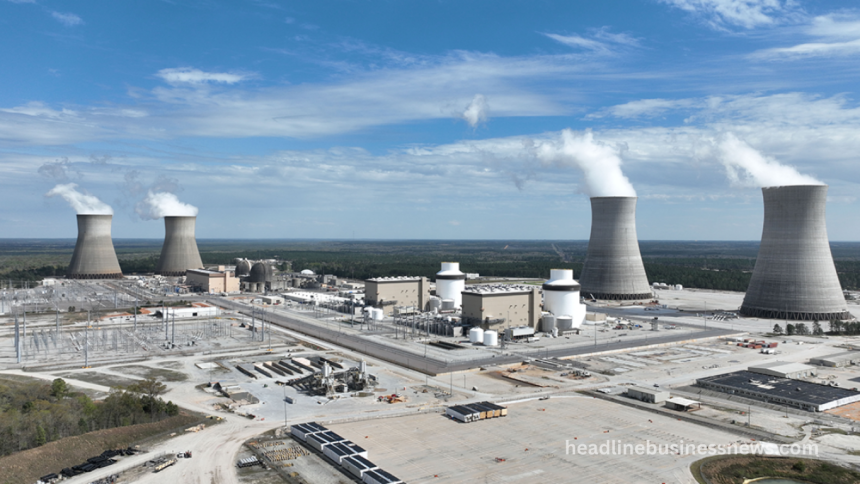
Nuclear proliferation remains one of the most critical issues in global security. In the wake of geopolitical tensions, evolving alliances, and technological advancements, concerns are growing about whether more nations will seek to develop or acquire nuclear weapons. The stability of the international system hinges on preventing the spread of these weapons of mass destruction.
While major powers like the United States, Russia, and China maintain large arsenals, newer players such as North Korea have defied global norms. Meanwhile, rising powers may see nuclear capabilities as a means to boost their strategic status. This potential shift threatens to undermine long-standing arms control agreements and raise the risk of nuclear conflict. As the world navigates this complex terrain, it’s crucial to examine the drivers, risks, and consequences of a new wave of nuclear proliferation.
The Current State of Global Nuclear Arsenals
Despite reductions since the Cold War, the world still holds over 12,000 nuclear warheads. The U.S. and Russia account for about 90% of these, while countries like the UK, France, China, India, Pakistan, Israel, and North Korea also maintain stockpiles. Non-proliferation treaties like the NPT (Non-Proliferation Treaty) aim to curb the spread, but not all nations are signatories or compliant, creating loopholes and security dilemmas.
Geopolitical Tensions Are Fueling Proliferation Risks
Rising conflicts in Eastern Europe, the Middle East, and the Indo-Pacific are amplifying national security concerns. As traditional alliances shift and excellent power competition intensifies, nations may feel incentivized to pursue nuclear deterrence. Ukraine’s vulnerability post-denuclearization has also served as a cautionary tale for countries considering disarmament.
Technology is Lowering the Barriers to Entry
Access to nuclear technology has become more feasible due to globalization and dual-use scientific knowledge. While civil nuclear programs offer energy benefits, they also present proliferation risks. Enriched uranium and reprocessing technology can be diverted toward weapons development, especially in countries with weak regulatory oversight.
Read More : Is Meloni the Leader Europe Needs?
Non-State Actors and the Black Market Are Emerging Threats
Terrorist groups and rogue networks seeking nuclear materials pose a serious concern. The illicit trafficking of atomic components, although heavily monitored, still occurs. A single successful acquisition by a non-state actor could lead to a catastrophic scenario and undermine global stability permanently.
International Treaties and Their Effectiveness Are Being Tested
The NPT, Comprehensive Nuclear-Test-Ban Treaty (CTBT), and various bilateral agreements were designed to maintain nuclear order. However, violations and withdrawals—such as North Korea’s exit from the NPT—highlight their limitations. The lack of enforcement mechanisms weakens global non-proliferation efforts and diminishes trust between nations.
New Nuclear States Could Shift the Balance of Power
If more countries develop nuclear weapons, regional power dynamics could shift dramatically. In regions like the Middle East or Southeast Asia, the introduction of atomic arms may spark arms races. This destabilization can lead to higher risks of conflict and reduce the effectiveness of diplomatic resolutions.
Frequently Asked Questions
What is nuclear proliferation?
Nuclear proliferation refers to the spread of atomic weapons and related technology to countries that do not already possess them.
Why is nuclear proliferation considered dangerous?
It increases the risk of nuclear war, destabilizes regions, and makes it harder to control who has access to these weapons.
Which countries currently have nuclear weapons?
The nine nuclear-armed states are the U.S., Russia, China, France, the UK, India, Pakistan, Israel, and North Korea.
Has any country given up its nuclear weapons?
Yes, South Africa voluntarily dismantled its arsenal, and countries like Ukraine and Kazakhstan gave up their weapons after the Soviet Union collapsed.
How does the NPT aim to prevent proliferation?
The NPT promotes disarmament, non-proliferation, and peaceful use of nuclear energy by setting international rules and inspections.
Could terrorist groups acquire nuclear weapons?
Though difficult, it’s possible. That’s why global efforts focus heavily on securing nuclear materials from black market access.
Why do some countries seek nuclear weapons?
Reasons include national security, regional power ambitions, and political leverage on the global stage.
What role do sanctions play in preventing proliferation?
Sanctions aim to pressure countries economically to halt nuclear development, as seen with Iran and North Korea.
Conclusion
Nuclear proliferation remains a pressing global issue shaped by technology, geopolitics, and shifting alliances. As new threats emerge and old treaties are tested, the world must renew its commitment to non-proliferation through diplomacy, oversight, and collaboration. A future with more nuclear-armed states is not inevitable—but it requires proactive international cooperation to prevent it. Stay informed, and advocate for global peace and security.