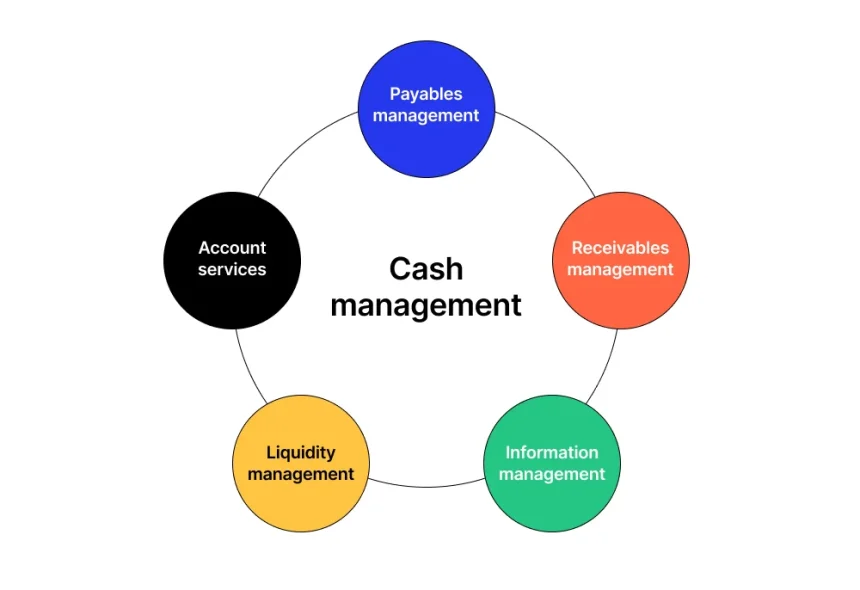
Cash flow management is one of the most critical aspects of running a successful business. Many companies do not fail because they lack profitability on paper but because they run out of cash at the wrong time. Cash flow determines whether a business can pay its bills, invest in growth opportunities, and maintain day to day operations without disruption.
In today’s fast paced global economy, businesses must carefully monitor how money moves in and out of their operations. This is especially true for entrepreneurs planning to start an e-commerce company in Hong Kong, where competition is strong, customer expectations are high, and operational efficiency plays a major role in success.
Cash flow is more than just accounting. It is the lifeblood of any business. Without proper management, even a profitable business can face financial distress. Understanding how to manage cash flow effectively allows business owners to stay stable, make informed decisions, and support long term growth.
Understanding Cash Flow in Business
Cash flow refers to the movement of money into and out of a business over a specific period. It includes all incoming revenue from sales, investments, and other sources, as well as outgoing payments such as rent, salaries, inventory costs, taxes, and operational expenses.
Positive cash flow occurs when more money enters the business than leaves it. Negative cash flow occurs when expenses exceed income. While occasional negative cash flow may happen during investment phases, consistent negative cash flow can lead to serious financial problems.
Cash flow is different from profit. Profit is the amount left after subtracting expenses from revenue, but it does not always reflect the actual cash available. A business can be profitable on paper while still struggling to pay its bills if cash is not properly managed.
Understanding this distinction is essential for entrepreneurs in any industry, especially those involved in digital commerce, where transactions, supplier payments, and logistics must be carefully balanced.
Why Cash Flow Matters for Business Success
Cash flow management is important because it ensures that a business can operate smoothly without financial interruptions. Every business has ongoing obligations such as paying employees, purchasing inventory, and covering operational costs.
When cash flow is properly managed, a business can meet these obligations on time. This helps maintain supplier relationships, employee satisfaction, and customer trust.
Poor cash flow management, on the other hand, can lead to missed payments, damaged credibility, and operational disruptions. Even successful businesses may struggle if they cannot access sufficient cash when needed.
Cash flow also influences decision making. Business owners with strong cash flow visibility can confidently invest in growth opportunities, marketing campaigns, and product development.
For entrepreneurs planning to start an e-commerce company in Hong Kong, cash flow management becomes even more important because of the fast moving nature of online retail and the need to manage inventory, advertising, and logistics efficiently.
The Difference Between Cash Flow and Profit
One of the most common misunderstandings in business is the difference between cash flow and profit. While both are important financial indicators, they serve different purposes.
Profit is calculated after all expenses are deducted from revenue. It represents the financial gain of a business over a period of time. However, profit does not necessarily reflect available cash.
Cash flow focuses on actual money movement. It shows whether a business has enough liquid funds to cover its expenses at any given time.
For example, a company may record strong sales on credit terms, but if customers delay payments, the business may not have enough cash to pay its suppliers or employees. This situation highlights why cash flow management is often more critical than profitability in the short term.
Successful business owners understand both metrics and use them together to make informed financial decisions.
Challenges of Cash Flow Management in E Commerce
E-commerce businesses face unique cash flow challenges due to their operational structure. Unlike traditional businesses, online stores often deal with rapid transactions, fluctuating demand, and global suppliers.
One major challenge is inventory management. Businesses must purchase stock in advance, which requires upfront cash investment. If products do not sell as expected, cash becomes tied up in unsold inventory.
Another challenge is payment processing delays. Online payment systems may take several days to transfer funds into business accounts, creating temporary cash gaps.
Marketing expenses also impact cash flow significantly. Digital advertising campaigns often require upfront investment before generating returns.
For entrepreneurs who start an e-commerce company in Hong Kong, these challenges require careful planning and monitoring to avoid financial strain.
Importance of Cash Flow Forecasting
Cash flow forecasting is the process of predicting future cash inflows and outflows. It helps business owners anticipate financial needs and prepare accordingly.
Forecasting allows businesses to identify potential cash shortages before they occur. This enables proactive decision making, such as adjusting expenses, securing financing, or delaying non essential purchases.
Accurate forecasting also supports strategic planning. Business owners can determine when to invest in expansion, hire new employees, or launch marketing campaigns based on expected cash availability.
In fast paced e-commerce environments, forecasting provides stability and reduces financial uncertainty.
Managing Operating Expenses Effectively
Operating expenses include all costs required to run a business on a daily basis. These may include rent, salaries, marketing costs, software subscriptions, and logistics expenses.
Effective cash flow management requires careful control of these expenses. Business owners must ensure that spending aligns with revenue generation.
Uncontrolled expenses can quickly drain cash reserves, leading to financial stress. Regular monitoring helps identify unnecessary costs and improve efficiency.
For e-commerce businesses, optimizing logistics and marketing expenses is particularly important. Small adjustments in these areas can significantly improve cash flow stability.
Importance of Inventory Control
Inventory plays a major role in cash flow management, especially for e-commerce businesses. Excess inventory ties up cash, while insufficient inventory can lead to missed sales opportunities.
Effective inventory control ensures that stock levels match customer demand. This reduces storage costs and minimizes financial risk.
Businesses must carefully analyze sales patterns and market trends to determine optimal inventory levels.
For entrepreneurs planning to start an e-commerce company in Hong Kong, efficient inventory management is essential for maintaining healthy cash flow and avoiding unnecessary financial pressure.
Managing Accounts Receivable
Accounts receivable refers to money owed to a business by customers. Delayed payments can create serious cash flow problems.
Businesses must establish clear payment terms and follow up on outstanding invoices promptly. Encouraging faster payments helps improve cash availability.
In e-commerce, payment delays are often shorter due to online transactions, but refund processes and chargebacks can still affect cash flow.
Monitoring receivables regularly ensures that businesses maintain financial stability and avoid cash shortages.
Importance of Supplier Relationships
Strong supplier relationships contribute significantly to effective cash flow management. Suppliers often play a key role in determining payment terms and credit arrangements.
Negotiating favorable payment terms allows businesses to maintain more cash on hand. For example, extended payment periods provide flexibility and reduce financial pressure.
Reliable suppliers also ensure consistent inventory availability, which supports steady sales and revenue generation.
Good relationships with suppliers contribute to overall financial stability and operational efficiency.
Role of Technology in Cash Flow Management
Modern financial tools and software have made cash flow management more efficient. Businesses can now track income, expenses, and forecasts in real time.
Automation reduces errors and improves accuracy in financial reporting. It also provides insights that help business owners make better decisions.
E-commerce platforms often integrate with accounting systems, allowing seamless tracking of transactions and cash flow movements.
For entrepreneurs who start an e-commerce company in Hong Kong, leveraging technology is essential for maintaining competitive advantage and financial control.
Planning for Growth Through Cash Flow Management
Cash flow management is not just about maintaining stability. It also plays a crucial role in supporting business growth.
Businesses with strong cash flow can invest in marketing, expand product lines, and enter new markets with confidence.
Growth requires careful financial planning. Without sufficient cash reserves, expansion efforts may lead to financial strain.
Effective cash flow management ensures that businesses can grow sustainably without compromising stability.
The Role of Financial Discipline
Financial discipline is essential for maintaining healthy cash flow. Business owners must make informed spending decisions and avoid unnecessary expenses.
Discipline involves setting budgets, tracking performance, and regularly reviewing financial statements.
It also requires the ability to delay short term gratification for long term stability.
Entrepreneurs who maintain financial discipline are better equipped to handle market fluctuations and unexpected challenges.
Cash Flow and Business Survival
Cash flow is often considered more important than profitability for business survival. Many profitable companies fail because they cannot manage their cash effectively.
Without sufficient cash, businesses cannot pay employees, suppliers, or operational expenses. This leads to disruptions and potential closure.
Strong cash flow management ensures that businesses remain operational even during challenging periods.
It provides financial flexibility and resilience, allowing companies to navigate uncertainty successfully.
Conclusion
Cash flow management is a fundamental aspect of business success. It ensures that companies can meet their financial obligations, invest in growth opportunities, and maintain operational stability.
For entrepreneurs planning to start an e-commerce company in Hong Kong, understanding cash flow is especially important due to the fast paced and competitive nature of online retail.
Effective cash flow management involves forecasting, controlling expenses, managing inventory, maintaining supplier relationships, and leveraging technology.
While profitability is important, cash flow determines whether a business can survive and grow in the long term. Strong financial discipline and strategic planning enable businesses to maintain stability and achieve sustainable success.
Ultimately, cash flow is the foundation of financial health. Businesses that prioritize it are better positioned to grow, adapt, and thrive in an increasingly competitive global market.
FAQs
What is cash flow management?
Cash flow management is the process of tracking and controlling the movement of money in and out of a business to ensure financial stability and operational efficiency.
Why is cash flow more important than profit?
Cash flow is more important in the short term because it determines whether a business can pay its expenses. A business can be profitable but still fail if it lacks cash.
Why is cash flow important for e-commerce businesses?
E-commerce businesses rely on inventory, marketing, and logistics, all of which require upfront cash. Proper cash flow management ensures smooth operations and growth.
How can forecasting improve cash flow?
Cash flow forecasting helps businesses predict future income and expenses, allowing them to prepare for shortages and make informed financial decisions.
What are common cash flow problems in e-commerce?
Common issues include delayed payments, high inventory costs, marketing expenses, and inconsistent sales patterns.
How does inventory affect cash flow?
Inventory ties up cash until products are sold. Poor inventory management can lead to cash shortages or excess stock.
Why should entrepreneurs start an e-commerce company in Hong Kong?
Hong Kong offers a strategic location, strong logistics infrastructure, and a global business environment, making it attractive for e-commerce businesses.
How can businesses improve cash flow?
Businesses can improve cash flow by controlling expenses, improving payment collection, managing inventory efficiently, and using financial planning tools.