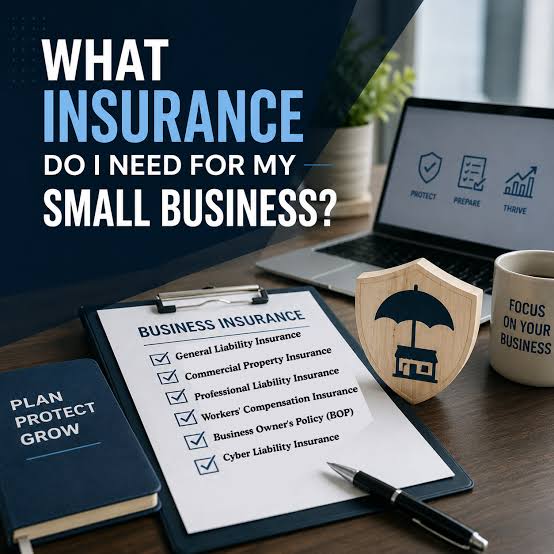
Small businesses face a spectrum of exposures that can threaten their operations, assets, and reputation. Protecting a company’s physical property and guarding against liability claims are two pillars of a stable risk management strategy. Crafting the right coverage mix requires understanding common perils, selecting appropriate limits and endorsements, and implementing loss prevention practices that reduce both premiums and the likelihood of a disruptive claim.
What Property Coverage Really Protects
Property insurance for small businesses typically covers the building (if owned), business personal property such as furniture and inventory, and sometimes outdoor fixtures and landscaping. Basic policies address named perils like fire, theft, and vandalism, while broader forms extend to risks such as water damage, windstorms, and certain types of accidental damage. Replacement cost coverage ensures damaged items are replaced without deduction for depreciation, whereas actual cash value pays current value after depreciation, which may leave owners underinsured.
Determining accurate valuation is essential. Many small business owners underestimate the value of inventory in peak seasons or fail to account for the cost of specialized equipment and fixtures. A well-documented inventory and regular updates to insured values prevent gaps at claim time. Considerations like ordinance or law coverage are crucial for older buildings that would be expensive to bring up to code after damage.
Liability Coverage That Keeps You Solvent
Liability risk emerges from daily interactions with customers, suppliers, and the public. General liability policies address third-party bodily injury and property damage, as well as personal and advertising injury liabilities. Product liability protects businesses that manufacture, distribute, or sell goods from claims related to defects or harm caused by products. Professional liability, sometimes called errors and omissions, covers mistakes or failures in providing professional services.
Limits should reflect exposure and industry standards; low limits can be quickly exhausted by litigation costs before any settlement. Many small businesses neglect to carry umbrella or excess liability policies that extend limits beyond primary coverage, leaving them exposed to catastrophic judgments. Defense costs are another key consideration: policies that pay defense outside the limit preserve more of the limit for damages.
Bundling Policies and When It Makes Sense
Bundled policies can simplify administration and often result in cost savings. For many small companies, bop insurance provides a convenient way to combine common protections, such as commercial property and general liability coverage, within a single policy. This type of packaged approach may also include or offer options for business interruption and other protections that address everyday operational risks. Consolidating coverage can streamline renewals and make insurance easier to manage for owners who already have plenty competing for their attention. For businesses with modest physical footprints and predictable exposures, packaged policies can be efficient, while companies with specialized risks may need endorsements or separate policies to avoid coverage gaps.
The Role of Business Interruption and Extra Expense Coverage
Property damage is only one way an event can hurt a company. Business interruption coverage replaces lost income if a covered peril forces a temporary shutdown, allowing payroll, mortgage or lease payments, and other fixed costs to continue during recovery. Extra expense coverage reimburses the costs of actions taken to reduce interruption, such as renting temporary space or expediting repairs. When calculating needed limits, project revenue, ongoing fixed costs, and a realistic timeline for recovery. Many small businesses forget to include extended periods of disruption, supply chain delays, or the additional cost of compliance with new regulations as part of the recovery period.
Risk Management to Lower Exposure and Cost
Insurance should be part of a broader risk management plan that includes loss prevention practices. Implementing routine maintenance schedules, secure storage for inventory, employee safety training, clear customer premises liability signage, and robust cybersecurity hygiene can reduce both the frequency and severity of claims. Insurers often offer premium credits for documented risk mitigation measures, so investing in prevention can have immediate financial benefits.
Choosing an Insurer and Managing Claims
Select an insurer with experience in your industry and a demonstrated track record of fair, timely claim handling. Local brokers can help match coverages to specific operations and identify endorsements that cover unique exposures, such as spoilage for businesses handling perishable goods or pollution liability for certain light manufacturing. When a loss occurs, prompt notification, thorough documentation, regular communication with the adjuster, and a well-organized claims file accelerate recovery. Establish internal procedures for incident reporting and evidence preservation so employees are prepared to act when it matters.
Cost Considerations and How to Balance Price with Protection
Premiums depend on location, claims history, industry classification, revenue, and coverage choices. While price is important, underinsuring to save money can be catastrophic. Examine deductibles carefully; higher deductibles reduce premiums but shift more immediate financial burden onto the business when a loss occurs. Periodic policy reviews at renewal ensure limits keep pace with growth and that new exposures, such as e-commerce sales or leased equipment, are covered.
Practical Examples and Final Thoughts
Consider a small café that experienced a fire. If their property coverage included replacement cost, equipment and decor were fully replaced and business interruption coverage paid the lost income while they rebuilt. Another example is a contractor who faces a third-party injury claim; adequate general and umbrella liability coverage prevented a costly judgment from jeopardizing the business. Each example underscores the importance of matching coverage to real-world exposures.
Effective property and liability protection combines appropriate insurance products, accurate valuation, and proactive risk management. Whether leveraging a packaged solution for simplicity or customizing separate policies for niche exposures, small business owners should regularly reassess coverage as operations evolve. Thoughtful planning and the right protections can mean the difference between a temporary setback and a permanent closure.