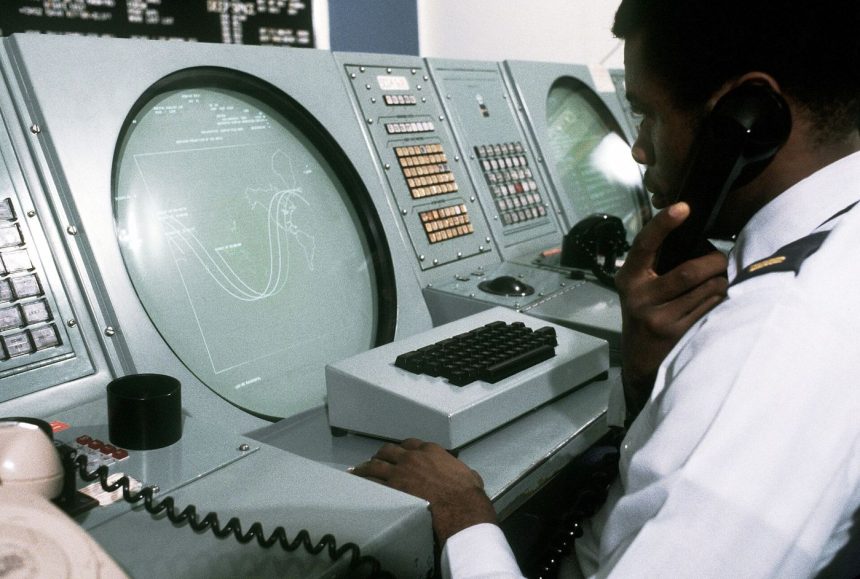
A United Arab Emirates company called defenseAI has launched an AI-powered military software suite after three years of development in stealth mode. The launch was announced on 25 November 2026, and the suite comprises four products covering battle management, situational awareness, strategic planning and operational readiness. The company was founded by Hisham Fadel, its chief executive officer. The products are named battlemindAI, battleviewAI, battleplanAI and battlereadyAI, each aimed at a different part of military operations, from running a battle to preparing forces for one. The launch adds the UAE to a growing list of countries building home-grown defence software instead of buying it from abroad, and it comes as Gulf states invest heavily in artificial intelligence.
What the Evidence Shows
Battle management software is the core of modern military command, showing commanders where their forces are and helping them make decisions quickly. Situational awareness tools pull together data from sensors and reports into a single picture of the battlefield, while planning tools help staff work through options before acting. Readiness software tracks whether units, equipment and supplies are prepared for operations. Putting all four into one suite suggests defenseAI wants to sell a complete system rather than a single tool, and the three years spent in stealth mode show how much work goes into software that armed forces can trust with live operations. Whether other militaries adopt the suite will depend on testing, trust and price. Reporting and analysis from sources such as MIT Technology Review track the same developments, and specialists following the defenseAI military software suite say the direction is now consistent across independent lines of evidence.
The Wider Context
The wider context is an industry learning to ship capability and restraint together. Products built around the defenseAI military software suite now launch with safety evaluations, usage data and rollback plans as standard, because enterprise buyers and regulators ask for them in the first meeting. Companies that treated those questions as friction are discovering they have become the purchase criteria.
What Happens Next
What happens next for the defenseAI military software suite depends less on another breakthrough than on the unglamorous work of reliability, pricing and support. The buyers evaluating it now are not enthusiasts; they are operators with budgets and auditors, and their checklists will decide the timeline. On the evidence of the current pilots, the technology has earned the right to be judged by them. You can follow related developments in our coverage of technology.
There is a practical lesson in all of this for readers deciding what to do today. Start with the verified facts, be wary of anyone promising certainty, and prefer reversible steps while the evidence is still developing. Circumstances differ by country, income and personal situation, so general guidance should always be weighed against your own context before you act on it in any significant or lasting way.