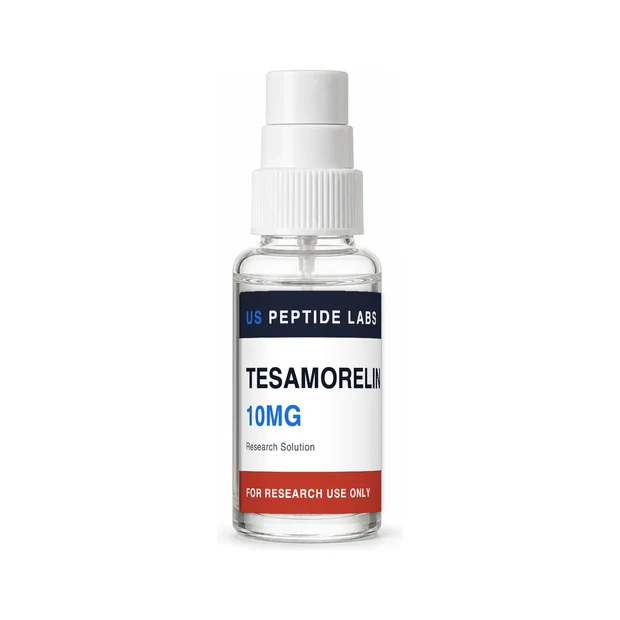
Oral peptide formulations are gaining attention in biochemical and pharmaceutical research because they introduce specific challenges involving molecular stability, formulation composition, and analytical quality. Evaluating these preparations requires an understanding of peptide chemistry, ingredient compatibility, laboratory testing, and batch documentation. These factors help researchers determine whether a formulation meets the specifications required for controlled scientific investigations.
Researchers exploring this category can find Oral peptide sprays online through specialized research suppliers offering different compounds and liquid preparation formats. However, selecting research materials involves more than comparing product descriptions. Understanding analytical documentation and formulation characteristics is essential for evaluating material quality.
This guide explains the important factors involved in assessing oral peptide formulations, the role of laboratory testing, and how researchers can interpret quality documentation.
What Are Oral Peptide Formulations?
Oral peptide formulations are preparations containing peptide-based compounds in formats designed for oral formulation research. Peptides are chains of amino acids connected through peptide bonds, and their molecular structures determine their chemical and physical properties.
Unlike conventional small-molecule compounds, peptides can be sensitive to environmental changes and enzymatic degradation. Their formulation therefore requires careful consideration of stability, solubility, and compatibility with surrounding ingredients.
Understanding Peptide Formulation Science
Peptide formulation science examines how different chemical and physical conditions influence the characteristics of peptide-containing preparations.
Important considerations include molecular weight, amino acid sequence, electrical charge, solubility, and susceptibility to degradation. These properties vary between compounds, meaning that formulation requirements cannot be assumed to be identical across all peptides.
Researchers investigate these characteristics to understand whether a preparation maintains its expected analytical properties under specified conditions.
What Factors Determine the Quality of Oral Peptide Formulations?
Evaluating formulation quality requires examining multiple characteristics rather than relying on a single measurement. Compound identity, purity, concentration, stability, and batch consistency all contribute to the overall analytical assessment.
A systematic approach helps laboratories understand the strengths and limitations of available product documentation. It also supports more reliable comparisons between research materials.
Compound Identity and Molecular Composition
Compound identity is one of the first characteristics researchers should evaluate. Analytical testing helps determine whether the material corresponds to the expected molecular structure.
Mass spectrometry is commonly used to examine molecular mass and support compound identification. The resulting information can be compared with expected molecular characteristics.
However, identity testing and purity testing measure different properties. Confirming molecular identity does not automatically establish the absence of impurities or degradation products.
Purity and Concentration
Purity describes the proportion of the target compound detected through a specified analytical method. It is an important measurement when evaluating research materials.
High-performance liquid chromatography (HPLC) is frequently used to assess chromatographic purity by separating different components within a sample.
Researchers should also distinguish between purity and concentration. Purity generally describes the relative composition of the analyzed material, whereas concentration describes the amount of a substance present in a defined volume or quantity.
Both measurements provide different information and should be interpreted according to the analytical report.
Why Is Stability Important in Oral Peptide Formulations?
Peptide stability is a major consideration when evaluating liquid preparations. Unlike dry materials, liquid formulations remain exposed to their surrounding chemical environment, which can influence molecular integrity over time.
Changes in temperature, pH, light exposure, and ingredient compatibility may affect the stability of certain peptide compounds. Understanding these factors is essential when interpreting formulation documentation.
Temperature and Environmental Conditions
Temperature can influence chemical reactions and molecular degradation. Some peptide compounds may be more sensitive to temperature fluctuations than others.
Light exposure and humidity can also affect particular formulations or packaging components. Consequently, storage requirements should be based on the documentation provided for the specific preparation.
Researchers should avoid assuming that one storage condition is appropriate for every peptide formulation.
pH and Ingredient Compatibility
The pH of a preparation can influence peptide solubility, molecular charge, and chemical stability. Different amino acid sequences may respond differently to changes in acidity and alkalinity.
Formulation ingredients can also influence the surrounding chemical environment. Researchers therefore examine ingredient compatibility to identify potential changes in sample composition.
These investigations are important for understanding the analytical characteristics of a preparation throughout its documented storage period.
How Do Laboratory Tests Verify Oral Peptide Formulations?
Laboratory testing provides measurable information about the characteristics of research materials. Different analytical methods examine different properties, so multiple techniques may be required to establish a more complete quality assessment.
Researchers should understand what each test measures and avoid treating one analytical result as proof of every quality characteristic.
High-Performance Liquid Chromatography
HPLC is an analytical separation technique used to evaluate sample composition and chromatographic purity.
The method separates components based on their interactions with the stationary and mobile phases. Detected peaks provide information about the sample’s composition under the specified testing conditions.
However, chromatographic purity should be interpreted alongside other analytical findings because a single method may not identify every possible impurity.
Mass Spectrometry
Mass spectrometry measures the mass-to-charge ratios of ions and provides information about molecular mass.
In peptide analysis, it can help support compound identification by comparing measured results with expected molecular characteristics.
Combining mass spectrometry with chromatographic analysis provides complementary information about identity and sample composition.
Reviewing Independent Laboratory Documentation
Independent laboratory testing provides an additional level of analytical transparency because the reported results originate from a separate testing organization.
US Peptide Labs highlights independent third-party testing and publishes lot-specific Certificates of Analysis for documented products. Its product labels also provide QR codes that direct researchers to available certificates.
Researchers can explore the available Oral peptide formulations and review the corresponding product documentation when evaluating research materials.
What Is a Certificate of Analysis and Why Does It Matter?
A Certificate of Analysis (COA) is a document containing analytical information about a particular production lot. It helps researchers review the reported characteristics of the material rather than relying entirely on general product descriptions.
A properly documented certificate should provide enough information to identify the tested batch and understand the methods and results reported by the laboratory.
Important Details to Check in a COA
When reviewing a Certificate of Analysis, researchers should examine several important details:
- Product identification: Confirms which compound or preparation was analyzed.
- Lot number: Connects the certificate with a specific production batch.
- Testing date: Identifies when the analytical assessment was performed.
- Purity results: Provides the reported chromatographic purity.
- Identity results: Shows whether the material meets the laboratory’s identification criteria.
- Testing methodology: Identifies the analytical techniques used.
Researchers should verify that the lot number on the product matches the certificate being reviewed. Documentation from another batch should not be treated as evidence for the material being evaluated.
Why Batch Traceability Supports Research Quality
Batch traceability connects research materials with their corresponding analytical records. This is particularly important when comparing findings or evaluating consistency across different batches.
Without clear lot identification, it becomes more difficult to determine whether variations in analytical findings are associated with the material or other experimental factors.
Maintaining accurate documentation supports reproducibility, transparency, and better laboratory recordkeeping.
What Should Researchers Consider Before Selecting Oral Peptide Formulations?
Choosing research materials requires evaluating both scientific information and supplier documentation. A product’s listed characteristics should be supported by relevant analytical records whenever available.
Researchers should review molecular identity, purity information, formulation details, storage specifications, and batch traceability before making an assessment.
Supplier transparency is equally important. Clear product descriptions and accessible laboratory documentation make it easier to understand what is being supplied and which analytical findings support its specifications.
It is also essential to distinguish research findings from established medical evidence. A compound’s availability in an oral formulation does not establish its absorption, bioavailability, safety, or clinical effectiveness. Research-use-only materials should not be treated as approved medicines or products for human consumption.
Conclusion
Evaluating oral peptide formulations requires a detailed understanding of molecular composition, formulation stability, analytical testing, and batch documentation. Factors such as peptide identity, chromatographic purity, environmental sensitivity, and ingredient compatibility all contribute to the scientific assessment of these materials.
Laboratory methods such as HPLC and mass spectrometry provide useful analytical information, while lot-specific Certificates of Analysis support transparency and traceability. Reviewing these details helps researchers make informed assessments based on documented evidence rather than unsupported product claims.
US Peptide Labs offers an Oral Sprays collection supported by product information and available laboratory documentation. For additional questions about product specifications, testing records, or available research materials, contact us.
Frequently Asked Questions
1. What are oral peptide formulations?
Oral peptide formulations are preparations containing peptide-based compounds in liquid or other oral-format research preparations. Their evaluation involves examining molecular identity, formulation composition, stability, and analytical quality.
2. How is the purity of an oral peptide formulation measured?
HPLC is commonly used to evaluate chromatographic purity by separating different sample components. Results should be interpreted alongside identity testing and other relevant analytical information.
3. Why is a Certificate of Analysis important for peptide research?
A COA provides documented analytical results for a particular batch. It helps researchers review compound identity, purity, testing methods, and lot identification.
4. What factors can affect peptide formulation stability?
Temperature, pH, light exposure, chemical environment, and ingredient compatibility can influence the stability of certain peptide preparations. Specific requirements depend on the individual compound and formulation.
5. Are oral peptide formulations approved for human consumption?
Research-use-only peptide formulations are not approved for human consumption simply because they are available in an oral format. US Peptide Labs supplies its products strictly for lawful laboratory and analytical research, not human consumption, veterinary use, or medical applications.