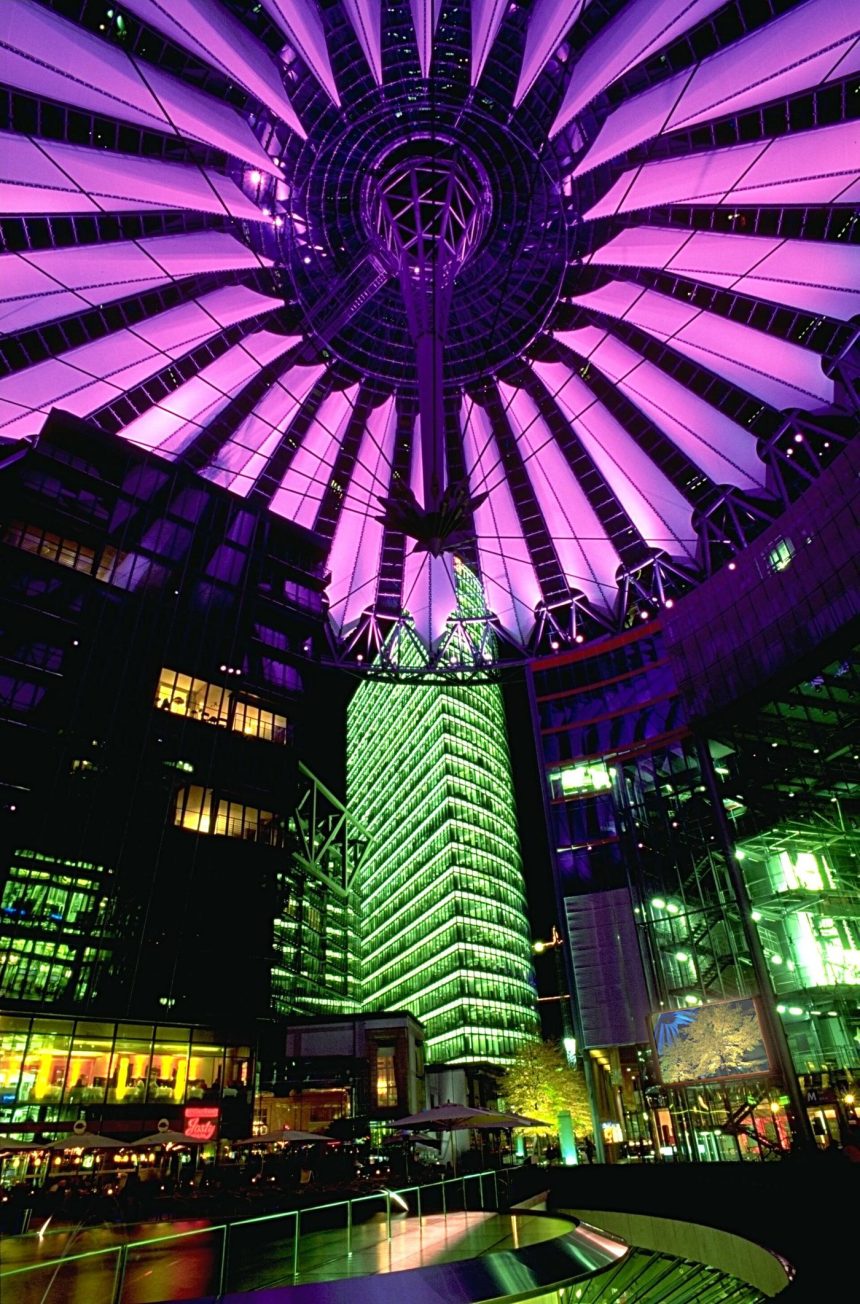
Street lights are changing across towns and cities, as old orange lamps give way to bright white LEDs that use far less electricity and last far longer. Councils say the switch saves money and carbon, since an LED uses about half the power of the lamp it replaces and can last twenty years instead of four, cutting the cost of sending crews out to change bulbs. Residents say the new lights make streets feel safer, with pavements, crossings and bus stops lit more clearly, and drivers say the whiter light makes it easier to spot pedestrians and cyclists at night. Some councils have gone further, fitting lights that dim late at night when streets are empty, and brighten again when a sensor detects someone passing. The change is one of the quietest upgrades in public services, with most people noticing only that the night looks different.
What the Evidence Shows
Lighting experts say the design of the new lights matters, since a badly aimed LED can glare into bedroom windows or spill light into the sky, hiding the stars. They suggest shielded fittings that point the light down onto the road and pavement, where it is needed, and warmer colours in residential streets, where a softer light feels more welcoming. Some councils consult residents before the switch, asking which streets feel dark and which lights shine into homes. Wildlife experts add that well-designed lighting helps nocturnal animals too, since bats and moths are disturbed by bright, unshielded lamps. For the councils, the savings are welcome, and the hope is that the new lights keep streets safe and clear, while letting the night stay a little darker above the rooftops. Reporting and analysis from sources such as Reuters track the same developments, and specialists following the switch to LED street lighting say the direction is now consistent across independent lines of evidence.
The Wider Context
The wider context is a public conversation conducted at a speed institutions were not built for. Developments around the switch to LED street lighting are announced, contested and revised within a single news cycle, and the officials involved have learned to publish evidence alongside claims so that scrutiny can actually occur. Trust, the polling suggests, follows that transparency more than it follows confidence.
What Happens Next
What happens next in the story of the switch to LED street lighting will be decided in the places where it is being implemented, measured and argued about in public. The officials and organisations involved have committed to publishing progress data, and that commitment gives residents, businesses and journalists something firmer than promises to judge. The next milestones are dated, which means they can be checked. You can follow related developments in our coverage of news.
There is a practical lesson in all of this for readers deciding what to do today. Start with the verified facts, be wary of anyone promising certainty, and prefer reversible steps while the evidence is still developing. Circumstances differ by country, income and personal situation, so general guidance should always be weighed against your own context before you act on it in any significant or lasting way.