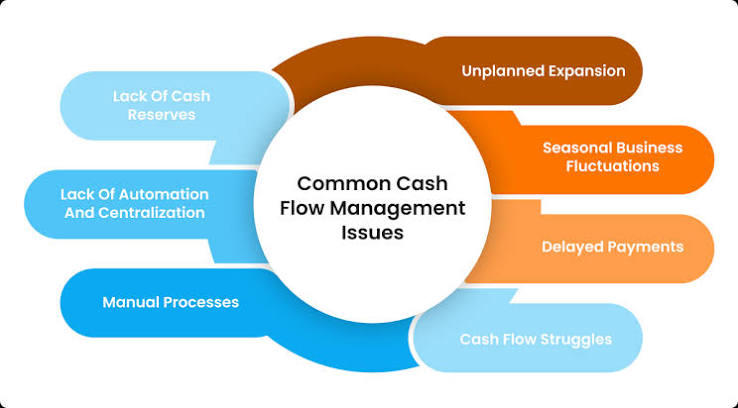
You can feel the season coming before the numbers catch up. Inventory starts moving faster, payroll gets messy, weekend sales spike, and expenses land all at once. If you run a seasonal business, the busy months can bring in your best revenue and your worst financial confusion at the same time. That tension is real, which is why many owners turn to bookkeeping services in Blaine, MN. You are trying to serve customers, manage staff, and keep cash in the bank, while the books keep changing under your feet.
This is where bookkeepers for seasonal businesses make a real difference. They help you track the short bursts of income, plan for the slow months, keep payroll and tax records clean, and give you numbers you can trust when the pressure is high. Good bookkeeping does not just record what happened. It helps you stay steady when your business does not move in a straight line.
Seasonal cash flow problems grow fast when the books fall behind
Seasonal businesses live in cycles. A retail shop may depend on the holiday rush. A landscaping company may earn most of its income in warmer months. A tax preparer may carry the year on one intense quarter. The pattern is normal. The risk comes when your records treat those swings like random chaos instead of something you can plan for.
When bookkeeping slips during busy periods, small errors pile up. You may reorder too much inventory because sales look stronger than they are. You may hire extra workers without seeing the full payroll burden. You may assume you have enough cash because deposits are high, even though vendor bills, payroll taxes, and card processing fees are still coming. That is how a strong sales month turns into a stressful bank balance.
Accurate records also matter for compliance. The IRS offers guidance on starting and keeping business records, and those basics matter even more when your business has uneven income. Seasonal operations often have compressed timelines, which means less room to fix mistakes later.
Hiring seasonal staff changes your bookkeeping workload
Bringing on temporary or part time employees can ease operational pressure, but it also adds layers to your books. Wages, overtime, onboarding documents, payroll tax withholdings, and worker classification all have to be handled correctly. If you are already stretched thin, this is often the point where things start getting missed.
A bookkeeper helps create order before the rush gets worse. That can mean setting up payroll categories, separating labor costs by department, tracking hours against revenue, and making sure your records support tax filings. The IRS also shares tips for businesses hiring seasonal or part time employees, including details that affect payroll and reporting. Missing those details can cost you money long after the season ends.
You might be looking at a stack of time sheets, receipts, and supplier invoices at the end of a long week, wondering which problem matters first. Usually, the answer is the one that affects cash flow and payroll. Employees need to be paid correctly. Tax obligations do not pause because your sales cycle is unusual. A solid seasonal business bookkeeping process keeps those essentials from becoming emergencies.
Better bookkeeping helps you prepare before the rush starts
Preparation is where bookkeepers often save the most stress. They can help you compare this season to last year, estimate labor and inventory needs, and flag spending patterns before they become cash shortages. That matters whether you are heading into summer bookings, holiday sales, or any other peak period.
The Small Business Administration offers tips to get your business ready for the holiday shopping season, and the same idea applies across seasonal industries. Forecasting, staffing, inventory planning, and expense tracking all work better when your books are current. You can make faster decisions because the numbers are already organized.
This is also where plain bookkeeping becomes a management tool. Instead of reacting to whatever hits your inbox or your register that day, you can see trends. You can tell whether margins are shrinking, whether overtime is getting out of hand, and whether your peak months are truly carrying the business the way you thought they were.
DIY records and professional bookkeeping create very different outcomes
| Area | DIY Bookkeeping | Professional Bookkeeping |
| Busy season data entry | Often delayed until after peak hours, which leads to missing or duplicated transactions | Entered and reconciled on a set schedule, even during high volume periods |
| Cash flow visibility | Bank balance may be used as the main guide | Reports show income, expenses, upcoming obligations, and seasonal trends |
| Seasonal hiring records | Payroll and worker classification errors are more likely | Employee records, payroll categories, and tax items are tracked consistently |
| Tax season readiness | Receipts and account questions often need cleanup later | Books are organized throughout the year, which reduces scramble and correction work |
| Decision making | Choices are often based on gut instinct during the rush | Choices are based on current numbers and prior season comparisons |
Small bookkeeping habits protect seasonal profit
Seasonal businesses can lose good revenue through simple breakdowns. A missed vendor invoice can trigger fees. Untracked shrinkage can quietly cut margins. Sales tax errors can create trouble months later. If your business has one or two high earning windows each year, you do not have many chances to absorb preventable losses.
Bookkeeping gives you a cleaner view of what the season is actually producing. That includes gross sales, true labor cost, inventory movement, refunds, merchant fees, and the amount you need to set aside for taxes and slower months. Without that view, a profitable season can look stronger than it is.
Three steps you can take right away
Separate seasonal revenue and expenses. Create clear categories for peak season sales, temporary labor, seasonal marketing, and inventory buys. When those numbers are mixed into everything else, it is harder to measure what the season actually earned.
Review cash flow weekly during peak months. Do not rely on sales totals alone. Check what has cleared, what is due, what payroll will cost, and what taxes need to be set aside. Weekly review is often the difference between a manageable issue and a crisis.
Build a pre season bookkeeping checklist. Reconcile accounts, confirm payroll setup, review vendor terms, and compare this year’s plan to prior seasons. If you work with a bookkeeper, ask for reports that show labor percentage, inventory spend, and month to month cash needs before the rush starts.
Steady books make seasonal businesses easier to run
You do not need your business to stop being seasonal. You need your financial systems to stop acting surprised by it. When the books are current and organized, the busy season feels less like a storm and more like something you are ready to handle. You can hire with more confidence, spend with more clarity, and keep more of what you earn.
If you need support, reach out to discuss bookkeeping for your seasonal business and put a cleaner system in place before the next rush begins.