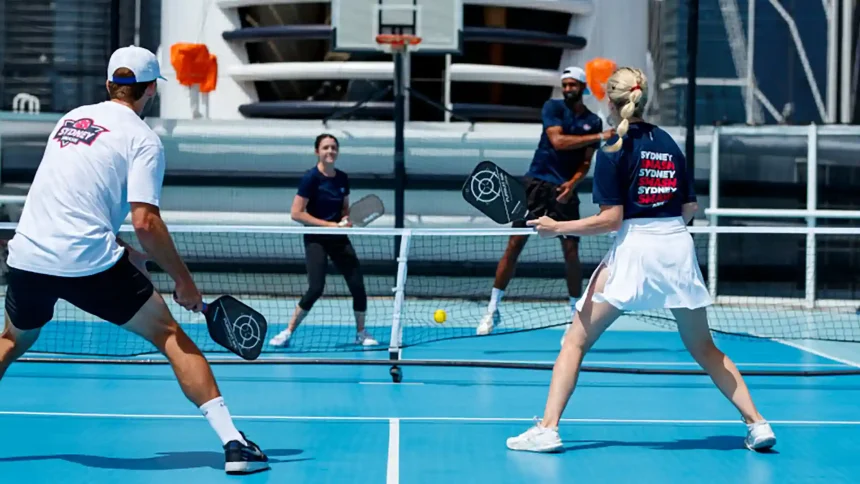
Few sports have experienced the explosive growth that pickleball has enjoyed over the last decade. What was once a relatively obscure backyard pastime has evolved into one of the fastest-growing sports in North America and beyond. Communities are building dedicated courts, professional tournaments are attracting larger audiences, and people of all ages are discovering the appeal of the game. Its popularity has spread from retirement communities to schools, fitness centers, and recreational leagues, creating a phenomenon that few could have predicted.
Part of pickleball’s appeal lies in its simplicity. The game combines elements of tennis, badminton, and table tennis while remaining easy to learn and accessible to a wide range of players. Yet beneath its approachable nature lies a competitive and strategic sport capable of challenging athletes of every skill level. More importantly, pickleball offers something many people are searching for in today’s fast-paced world: an enjoyable activity that encourages movement, connection, and fun.
How Pickleball Began
Pickleball originated in 1965 on Bainbridge Island, Washington. According to popular accounts, friends Joel Pritchard, Bill Bell, and Barney McCallum wanted to create a game that would entertain their families during the summer. Using a badminton court, homemade equipment, and a perforated plastic ball, they developed the early version of what would eventually become pickleball.
The game quickly gained popularity among friends and neighbors because it was easy to understand and required minimal equipment. Over the years, official rules were established, and organized competitions began to emerge. What started as a casual activity gradually evolved into a sport with local clubs, national associations, and professional events.
Unlike many sports that require significant financial investments or years of training to enjoy, pickleball remained approachable. This accessibility helped fuel its growth and contributed to the strong sense of community that still surrounds the game today.
Easy To Learn But Difficult To Master
One reason pickleball resonates with so many people is that beginners can quickly experience success. The court is smaller than a tennis court, and the ball moves at speeds that allow players more time to react. New players often find themselves enjoying rallies after only a short introduction.
At the same time, experienced players discover layers of strategy that make the sport increasingly engaging. Placement, spin, positioning, and shot selection become more important as skill levels improve. Competitive matches often involve patience and precision rather than relying solely on power.
This balance between accessibility and complexity attracts a broad range of participants. Casual players can enjoy friendly games without pressure, while more competitive athletes can continue refining their skills for years.
Because players improve gradually, many people find the sport rewarding and addictive. Every game presents opportunities to learn and develop, which helps explain why pickleball enthusiasts often become passionate ambassadors for the sport.
A Sport For All Ages
Perhaps one of pickleball’s greatest strengths is its ability to bring generations together. Unlike many sports that tend to favor younger athletes or require exceptional physical abilities, pickleball accommodates players of different ages and fitness levels.
Retirees have embraced the game because it provides exercise without the physical demands associated with sports like basketball or singles tennis. At the same time, younger players appreciate its fast pace and strategic depth. Families often enjoy playing together because age differences become less significant on the court.
Schools and youth organizations are introducing pickleball to children, while recreational leagues continue attracting adults seeking enjoyable ways to remain active. The sport creates environments where grandparents, parents, and children can all participate together.
This intergenerational appeal contributes significantly to pickleball’s popularity. Few activities offer such broad accessibility while remaining competitive and engaging.
Social Connections Matter
Modern life can sometimes feel isolated, especially as people spend increasing amounts of time online or working remotely. Pickleball offers opportunities for face-to-face interaction and genuine social connections.
Players frequently describe the welcoming atmosphere found at local courts. Newcomers are often invited into games, and experienced players willingly help beginners improve. The doubles format encourages communication and teamwork, creating opportunities to build friendships naturally.
Many communities have developed vibrant pickleball cultures centered around leagues, tournaments, and social events. For some participants, the relationships formed through the sport become just as valuable as the exercise itself.
These social benefits help explain why people remain committed to the game long after trying it for the first time. Pickleball offers not only physical activity but also a sense of belonging and community.
Fitness Without Excessive Strain
People increasingly recognize the importance of staying active, but not everyone enjoys traditional exercise routines. Pickleball provides an alternative that feels more like recreation than work. Players engage in cardiovascular activity, improve balance, and develop coordination while focusing on enjoyment rather than fitness goals.
The smaller court reduces excessive running compared to tennis, making the game less intimidating for beginners and older adults. Yet the sport still provides meaningful physical benefits. Quick movements, hand-eye coordination, and strategic positioning challenge both body and mind.
Regular participation helps improve flexibility, endurance, and overall mobility. Many players appreciate that they can remain active without subjecting their joints to the same level of impact associated with more physically demanding sports.
This combination of exercise and enjoyment makes pickleball particularly attractive to individuals seeking sustainable fitness activities.
The Importance Of Pickleball Paddles
Equipment plays an important role in the sport, and pickleball paddles have evolved considerably as the game’s popularity has grown. Early players used simple wooden paddles, but modern pickleball paddles are often constructed from graphite, composite materials, or carbon fiber to improve performance and durability.
Different paddle designs influence power, control, and spin, allowing players to select equipment that matches their style of play. Beginners may prefer lightweight options that provide forgiveness, while advanced competitors often seek paddles designed for precision and shot placement.
Although skill remains the most important factor, quality equipment can improve confidence and consistency. As technology continues advancing, paddle manufacturers are developing products that cater to a wide variety of players and preferences.
The evolution of pickleball paddles reflects the sport’s growth from a backyard activity into a highly competitive and respected game.
Professional Growth Adds Excitement
Professional pickleball has expanded rapidly in recent years. Tournaments now attract elite athletes, sponsorships, and television audiences. Prize money continues to increase, and professional organizations are investing heavily in promoting the sport.
This growth has created additional excitement for recreational players. Watching skilled competitors inspires newcomers and highlights the strategic depth of the game. Professional events also bring visibility that encourages communities to invest in courts and facilities.
Despite this professional expansion, pickleball has retained much of its grassroots spirit. Players at all levels still emphasize enjoyment and inclusivity, preserving the qualities that helped the sport become so popular.
The balance between casual recreation and professional competition contributes to the sport’s broad appeal.
A Sport Built Around Enjoyment
Pickleball’s remarkable growth reflects something deeper than trends or marketing. People are drawn to activities that provide exercise, social interaction, and genuine enjoyment. Pickleball delivers all three in a format that welcomes participants regardless of age or experience.
Its simplicity allows beginners to experience success quickly, while its strategic depth keeps experienced players engaged. Communities built around the sport create friendships and encourage healthy lifestyles. Equipment innovations and professional growth add excitement without changing the welcoming spirit that defines the game.
Ultimately, pickleball resonates with so much of the population because it offers more than competition. It creates opportunities for people to connect, stay active, and have fun together. In a world where many seek balance and meaningful experiences, pickleball provides a reminder that sometimes the simplest games can have the greatest impact.