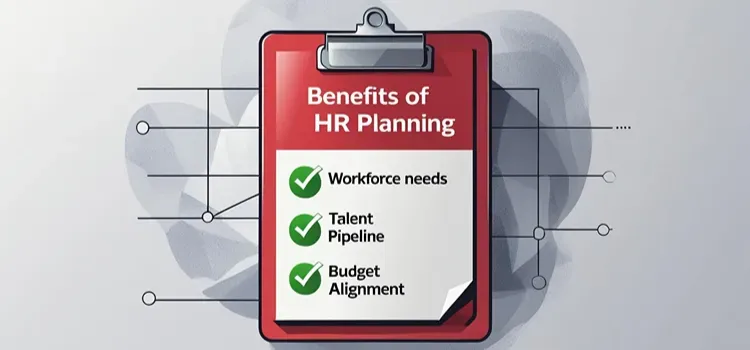
Annual benefits planning is a pivotal annual cadence that shapes workforce satisfaction, cost management, and organizational resilience. For HR teams, the task is more than choosing plans; it requires strategic alignment with talent goals, timely negotiations with carriers, and clear communication that minimizes friction during open enrollment. Approaching the cycle as an integrated project—from data review to vendor selection to enrollment execution—transforms a traditionally administrative burden into an opportunity to strengthen employer value and control future costs.
Why a strategic timeline matters
Creating a disciplined timeline is the foundation of sound benefits planning. Begin by mapping backward from plan renewal dates to establish firm deadlines for data collection, RFP issuance, rate evaluation, and final plan design approval. Too often teams react to quotes on short notice and accept suboptimal terms. A predictable timeline prevents hasty decisions, allows for benchmarking against comparable organizations, and enables collaboration with finance and executive stakeholders well before premiums take effect. Consistency across years also builds institutional knowledge and reduces stress for staff who manage the work.
Using data to inform choices
HR teams must treat benefits as a data-driven investment. Claims experience, utilization patterns, employee demographics, and participation trends reveal where benefits deliver value and where adjustments are needed. Integrating HRIS and benefits administration data provides a single source of truth to evaluate the cost-per-employee and the relative impact of high-cost claimants. By modeling scenarios—such as plan design shifts, premium-sharing changes, or network strategy adjustments—teams can project both financial and employee-experience outcomes. Quantitative insights should be complemented by qualitative feedback from employee surveys to capture satisfaction drivers that numbers alone miss.
Strengthening vendor negotiations
A thoughtful approach to carrier conversations yields better renewal outcomes. Prepare for negotiations by gathering benchmarking data and creating a clear list of priorities: network adequacy, specialty coverage, mental health services, or telemedicine expansion. Timely requests for proposals invite competitive offers, but interpreting those offers requires attention to plan terms, utilization assumptions, and stop-loss specifics. Plan to engage brokers or consultants selectively; their expertise can be invaluable when they add market context and analytical rigor rather than simply relaying quotes. When evaluating alternatives, consider total cost of care rather than premium alone—value-based arrangements or performance guarantees may offer protection against unexpected spikes in claims.
Streamlining the renewal process
One targeted tactic to reduce friction is to standardize documentation and decision workflows so each renewal cycle is repeatable and auditable. Centralize vendor contracts, historical rate trends, and plan design templates so stakeholders can quickly assess proposed changes. Automating standard requests and approvals shortens review cycles and minimizes manual reconciliation errors. For HR teams intent on continuous gains, focus on improving core operational procedures. A practical example of this focus is improving your employee benefits renewal process by aligning renewal deadlines with budget cycles and creating automated checkpoints that flag deviations from expected rates. This reduces last-minute scrambling and makes negotiations more deliberate.
Communicating value to employees
Even the best-designed benefits package fails if employees do not understand it. Clear, targeted messaging explains not only plan options but also how choices relate to individual needs. Segment communications according to life stage and typical benefit use—new parents, caregivers, and those nearing retirement have distinct priorities. Use multiple channels: brief explainer videos, concise email summaries, and interactive plan comparison tools. Host live Q&A sessions and offer one-on-one consultations for employees with complex needs. Emphasize stories that illustrate how benefits solve real problems, like access to mental health support or financial wellness resources, rather than relying solely on technical plan details. When employees perceive tangible value, engagement rises and utilization patterns become more predictable.
Leveraging technology to reduce manual work
Modern benefits administration platforms reduce administrative overhead and improve accuracy. Look for systems that integrate seamlessly with payroll, allow automated census imports, and provide robust reporting dashboards. Self-service interfaces empower employees to make informed plan selections and reduce calls to HR. When evaluating vendors, prioritize ease of setup, data security, and vendor responsiveness. Consider piloting digital tools for targeted populations before full rollout to gather feedback and refine the user experience. Regularly audit integrations and data flows to prevent inadvertent discrepancies that can slow renewals or cause employee frustration.
Measuring outcomes and iterating
After open enrollment closes and the new plan year begins, the work of optimization continues. Track key performance indicators such as participation rates, voluntary plan opt-ins, member satisfaction scores, and variance from projected claims. Post-enrollment surveys provide insights into message effectiveness and pain points. Use this feedback to fine-tune plan designs and communication strategies in subsequent cycles. Establishing a continuous improvement loop makes each year more efficient and delivers enhanced value to both the organization and its people.
Building cross-functional partnerships
Benefits planning cannot succeed in isolation. Developing strong partnerships with finance, legal, and operations ensures that benefit decisions align with broader organizational priorities and regulatory requirements. Finance can help model long-term cost scenarios and risk tolerance, while legal ensures compliance with plan documentation and ERISA considerations. Engage managers and department leaders during the planning phase so they can advocate and reinforce messaging to their teams. These partnerships accelerate decision-making and help mitigate surprises during implementation.
Annual benefits planning is a strategic exercise that rewards preparation, data-informed decisions, and clear employee communication. By formalizing timelines, leveraging analytics, strengthening vendor negotiations, and embracing technology, HR teams can deliver competitive benefits while managing costs. The result is a more predictable renewal process, higher employee satisfaction, and a benefits program that supports recruitment and retention objectives long after open enrollment closes.