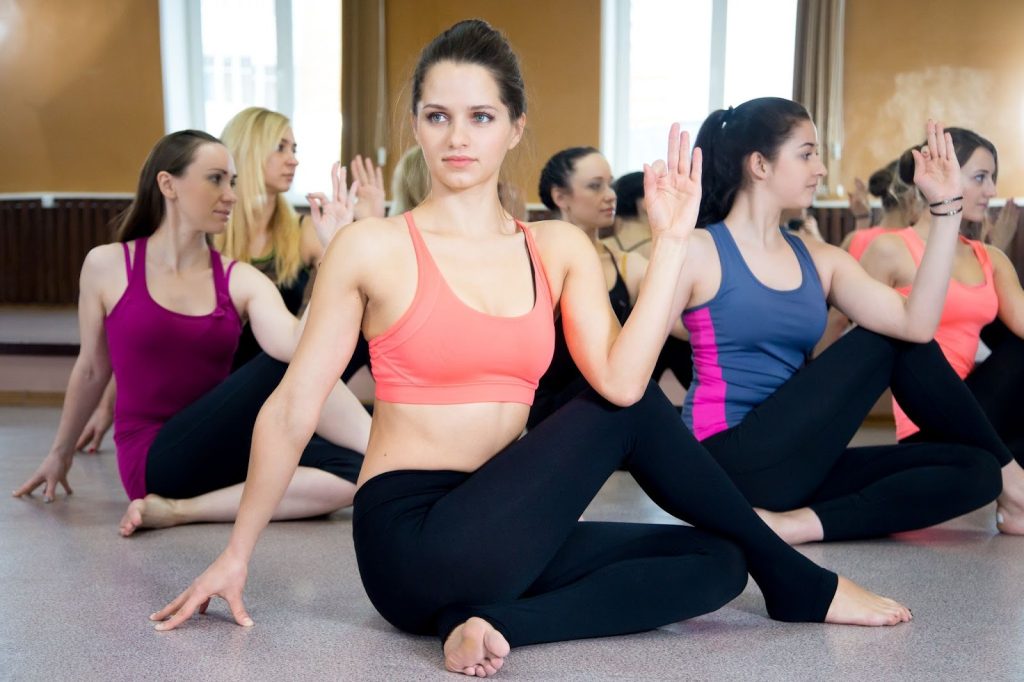
Nobody talks much about the boring poses. The ones where you are just holding something, not sweating particularly hard, not doing anything that looks impressive. But ask anyone who’s been through an intensive yoga teacher training in Bali which poses actually got to them, and it’s rarely the flashy ones.
Warrior III
Warrior III has a way of humbling people who’ve been practicing for years. You think you’ve got it, and then your standing foot starts having opinions. The hips want to open. The arms drop a little. You correct one thing, and something else shifts. There’s a point in Warrior III where most people realise that trying harder is making it worse. Easing off slightly, breathing, just letting the body sort itself out a bit, that’s usually what actually helps.
After a few weeks in an intensive Vinyasa teacher training in Bali, most people find something shifts in this pose. Not the legs or the core, particularly, but more the approach to it. They stop wrestling with the wobble, and the wobble gets smaller. Funny how that works.
Yin Poses Held for Several Minutes
Yin yoga doesn’t get talked about as much as the stronger practices, but it asks something genuinely difficult of most people. You are on the floor, not moving, but instead staying there for three to five minutes while the body slowly releases. For a lot of people, the first few minutes are fine, and then something uncomfortable starts happening, physically or mentally or both.
The instruction is to stay without fixing. Not to push deeper, not to back off entirely, just to be with it. That’s harder than any arm balance for most students. In an intensive Ashtanga teacher training in Bali, the pace is very different, but the principle is the same. Learning to stay steady when something is uncomfortable is the actual practice, whether you are holding Marichyasana D or a long yin hip opener.
Tree Pose
Tree Pose gets underestimated because it’s often the first balance pose people learn. But try holding it for two minutes while keeping the breath easy, and the face relaxed, and it starts to feel like a different pose entirely.
The challenge isn’t physical for most people. It’s the mind getting restless and wanting to move on. There’s nothing to push through, no goal to reach, no deeper version to aim for. You are just standing on one leg and staying there. A Bali yoga teacher training course uses poses like this precisely because they are simple enough that you can’t hide behind effort. All that’s left is how you are actually doing with stillness.
Boat Pose
Boat Pose is the one people tend to dread. Core engaged, legs lifted, spine long, and the whole thing has to be held together for longer than feels reasonable. It burns. There’s no way around that.
What it teaches is the difference between bracing against something and working through it steadily. Students who grip and clench and hold their breath usually collapse sooner than the ones who find a way to keep breathing and stay with a slower kind of effort. That’s a lesson that transfers well beyond the mat. In an advanced yoga teacher training in Bali, this pose often comes up in discussions about where real strength actually comes from.
Seated Forward Folds
A long seated forward fold with tight hamstrings is its own kind of patience training. You fold as far as you go, you stop where the body stops, and then you just stay there. The temptation is to bounce, to push, to try to get somewhere.
Bouncing doesn’t help. Forcing it doesn’t help. Mostly, you just breathe and wait and try not to check how much time is left. Students at an intensive yoga teacher training in Bali tend to revisit this one a lot. The pose doesn’t suddenly become comfortable. What changes is that the waiting stops feeling like wasted time.
What These Poses Have in Common
Nobody hands you a certificate for holding Boat Pose long enough or finally relaxing in a forward fold. The whole point is staying. Staying when it’s boring, staying when it burns, staying when the mind has already checked out, and the body is filing a complaint.
That quality, the ability to remain steady without needing things to change, is what a Bali yoga teacher training course is quietly building the whole time. It shows up in how you hold poses. It shows up in how you handle a hard conversation. Most people don’t connect those two things until they are already living them.