South Florida’s warm, humid climate creates perfect conditions for mold to thrive, especially after heavy rain storms that cause leaks in homes across the region. From historic neighborhoods like El Cid to waterfront condos in Palm Beach and suburban properties in Jupiter, indoor moisture can quickly lead to hidden mold growth behind walls, in attics, or within HVAC systems. While not everyone reacts the same way, exposure to mold spores and related substances can trigger a range of health issues, according to the Florida Department of Health and federal agencies like the CDC and EPA.
The Florida Department of Health identifies four main categories of health problems linked to mold exposure: allergic illness, irritant effects, infection, and toxic effects.
Common Symptoms and Allergic Reactions
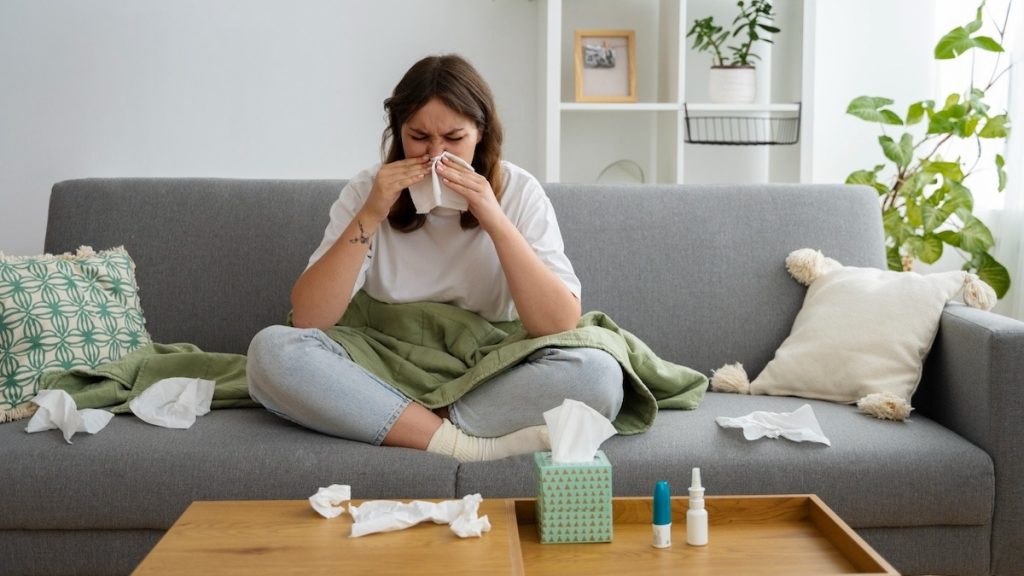
Many people experience mild to moderate symptoms that resemble seasonal allergies or a persistent cold. These often include:
- Nasal and sinus congestion or irritation
- Dry hacking cough or wheezing
- Watery, reddened, or burning eyes
- Skin rashes, itching, or burning sensations
- Sore throat
Individuals with asthma may notice worsened symptoms or more frequent attacks. Severe allergies can lead to hay-fever-like reactions or shortness of breath. Symptoms frequently improve when leaving the affected home and return upon re-entry, serving as a helpful clue for homeowners.
Common Irritant Effects and Respiratory Issues
Mold can irritate the eyes, skin, nose, throat, and lungs even in people without allergies. This may cause coughing, wheezing, or general respiratory discomfort. In Florida’s high-humidity environment, prolonged exposure increases the risk of chronic issues, including upper respiratory symptoms and heightened sensitivity.
Higher-Risk Groups and Infections
Certain residents face greater dangers:
- People with weakened immune systems or chronic illnesses
- Those with existing respiratory conditions like asthma or COPD
- Young children and older adults
- Individuals recovering from recent illnesses
In these cases, mold can lead to infections, particularly in the lungs. For example, certain molds like Aspergillus may cause aspergillosis in immunocompromised individuals. Post-storm flooding or leaks that are not dried within 24–48 hours significantly raise these risks.
Toxic Effects and Controversial Symptoms
Some molds, including Stachybotrys chartarum (often called “black mold”), can produce mycotoxins. While the full extent of toxic effects remains debated in the medical community, reported symptoms in sensitive individuals include:
- Headaches
- Fatigue
- Memory problems or “brain fog”
- Mood swings
- Nosebleeds
- Body aches
These effects are not fully understood and do not affect everyone equally. Most experts emphasize that removing the mold and fixing the moisture source usually resolves symptoms for the majority of people.
Why Florida Homes Are Especially Vulnerable
South Florida’s subtropical conditions—combined with salt air near the Intracoastal and frequent heavy rains—accelerate mold growth on drywall, wood, and other building materials. Leaks from roofs, windows, or AC systems that go unaddressed create ideal damp environments. Studies and local health reports note that dampness and mold in homes can contribute to a notable increase in respiratory and asthma-related problems, particularly affecting children.
When to Take Action
If you notice a musty odor, visible growth, or unexplained health symptoms that worsen indoors, address the issue promptly. Small patches can often be cleaned carefully with proper precautions, but larger areas, hidden mold, or persistent symptoms warrant professional help. Florida law requires licensed mold assessors and remediators for significant growth to ensure safe and effective mold removal.
Homeowners should also consult a physician if symptoms are severe or ongoing, especially for vulnerable family members. The Florida Department of Health recommends contacting your local county health department for guidance on mold-related health concerns.
By acting quickly after storms—stopping leaks, drying thoroughly, and maintaining indoor humidity between 30–50% with AC and dehumidifiers—South Florida residents can greatly reduce both property damage and potential health risks. A dry, well-ventilated home remains the best defense in Florida’s challenging climate.
If you or your family are experiencing symptoms alongside signs of water damage, seek medical advice and consider a professional inspection and mold remediation services sooner rather than later. Early attention protects both health and home.