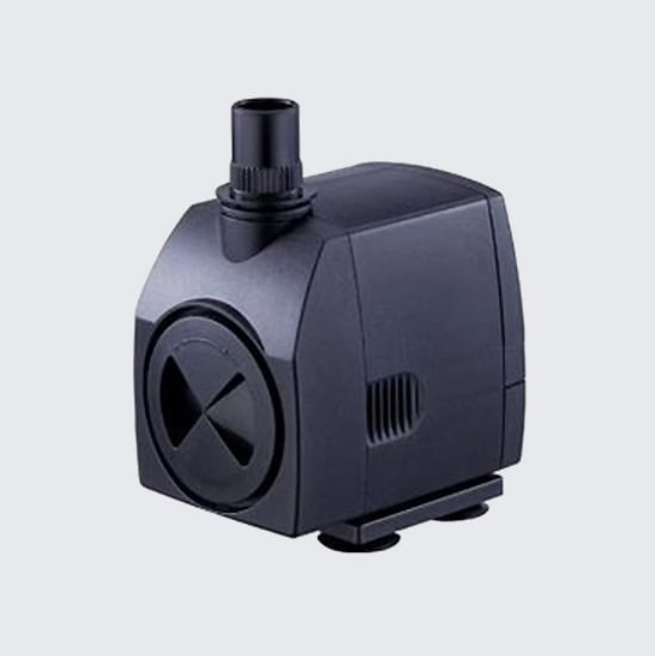
Most people picture a classic tiered fountain when they think about pump-powered water features. But submersible pumps open up a much wider range of possibilities for outdoor and indoor spaces. From trickling garden streams to dramatic water walls, these compact devices can quietly transform your yard, patio, or even a corner of your living room into something genuinely worth noticing.
The versatility of fountain pumps and submersible designs makes them a practical choice for making creative water projects. They sit fully underwater, run quietly, and handle everything from gentle trickles to strong, steady flows. Your project’s success depends heavily on matching the right pump specifications to the desired application. Choosing wrong means weak output, premature motor failure, or a water feature that simply doesn’t perform the way you envisioned.
Water Walls and Vertical Flow Features
Turning a Plain Wall Into a Living Water Surface: A water wall sounds complex, but the mechanics are straightforward. A submersible pump sits in a reservoir at the base, pushing water upward through tubing to a channel at the top. The water then sheets down a smooth surface, stone panel, or stacked slate. For a clean, even sheet effect, look for pumps with a flow rate of at least 400 to 800 GPH depending on wall width.
Matching Pump Output to Wall Dimensions: Wider surfaces need higher flow rates to avoid thin, uneven streams that break apart. A pump rated too low will produce disappointing trickles rather than the full sheet effect most people want. It’s worth calculating the wall’s surface area before purchasing. Many installers underestimate this and end up replacing their pump within a season, which wastes both time and money.
Garden Streams and Naturalistic Channels
Building a Stream That Feels Genuinely Natural: Garden streams work beautifully in landscapes with some slope or elevation change. A submersible pump placed in a lower catch basin pushes water uphill through buried tubing to a header pool, from which it cascades down a shaped channel lined with gravel and stones. The effect looks organic and requires very little ongoing effort once set up correctly.
Pump Specifications for Stream Applications: Stream projects generally need pumps in the 500 to 1,500 GPH range, scaled to the stream’s length and the elevation change involved. Every foot of vertical rise reduces effective flow, so factor that into your pump selection carefully. Under-powered pumps stall easily and create stagnant patches in the stream bed, which quickly leads to algae buildup and odor problems you really don’t want.
Koi Ponds and Dedicated Aquatic Habitats
Why Koi Ponds Demand More Than Basic Circulation: Koi produce significant waste, and their ponds require serious water movement to support filtration and dissolved oxygen levels. A submersible pump drives water through mechanical and biological filters continuously, keeping conditions stable enough for fish health. Experts typically recommend circulating the entire pond volume at least once per hour, so a 1,000-gallon pond needs a pump capable of at least 1,000 GPH.
Choosing Placement for Maximum Pond Health: Pump placement affects how well debris gets captured and how evenly oxygen distributes through the water column. Placing the pump near the pond floor and opposite the skimmer intake creates a circulation pattern that sweeps waste toward filtration efficiently. Poor placement often means dead zones where debris settles and decomposes, raising ammonia levels and stressing fish even when the pump itself runs perfectly fine.
Smart Specs to Check Before Buying for a Koi Setup:
- Maximum head height rating should exceed your filter’s elevation by at least 20% to maintain consistent flow under load.
- Energy consumption matters over time since koi pond pumps run continuously, and higher wattage adds noticeably to electricity costs.
- Solids-handling capacity of at least 3/8 inch prevents clogging from fish waste and organic debris common in active ponds.
- Cord length needs to reach your power source without extension cords, which create safety risks near water.
DIY Mini Features That Won’t Break the Budget
Starting Small With Barrel and Container Fountains: Half-barrel water gardens and glazed ceramic container fountains are among the easiest DIY projects you can tackle. A small submersible pump rated between 80 and 200 GPH fits perfectly into these compact reservoirs. You can add aquatic plants, a few small fish, or decorative stones to complete the look. These setups cost very little and can sit on a deck, patio, or balcony without any major construction.
Safety and Installation Basics Worth Getting Right: Running electrical cords near water requires ground fault circuit interrupter outlets, full stop. Submerging pumps in containers without proper grounding creates genuine shock hazards, especially in small DIY setups where people often cut corners. Keep all connections dry and elevated above the waterline. Perhaps the most overlooked step is securing tubing so the pump doesn’t tip or shift, which can expose the motor and cause overheating.
Your Outdoor Space Deserves Better Than the Ordinary
Submersible pumps are more versatile than most people realize, and perhaps that’s exactly why so many outdoor spaces stay stuck with basic setups that never quite reach their potential. Whether you’re building a koi habitat, a garden stream, or a simple container feature, the right pump makes all the difference. Explore quality submersible pump options suited to your project size, and start building the outdoor space you’ve always pictured.