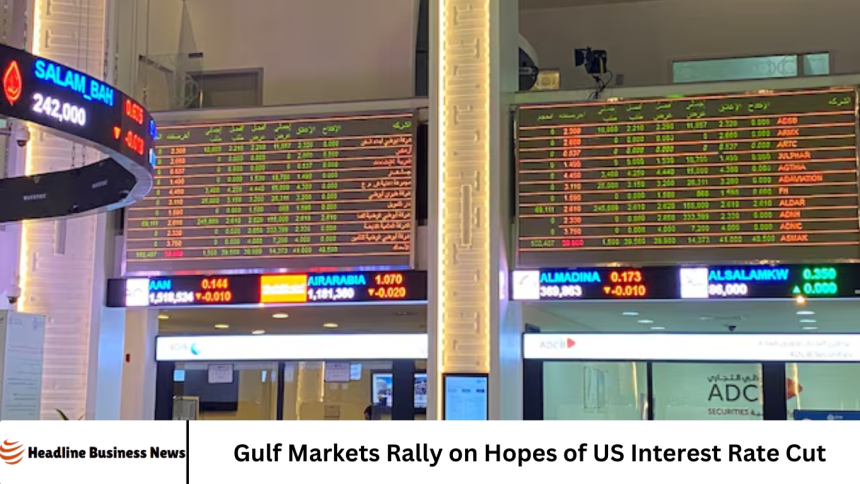
The Gulf markets have witnessed a remarkable surge in recent trading sessions, fueled by investor optimism surrounding a potential US interest rate cut. As major economies grapple with fluctuating inflation rates, market participants are closely monitoring the Federal Reserve’s monetary policy decisions.
The anticipation of lower borrowing costs in the United States has reverberated across global markets, providing a boost to Gulf Cooperation Council (GCC) equities.
More Read: NVIDIA Blackwell Ultra GB300: Dual Reticle AI GPU, 20K+ Cores, 288 GB HBM3e, 50% Faster Than GB200
Understanding the US Interest Rate Cut
An interest rate cut by the US Federal Reserve generally aims to stimulate economic growth by reducing the cost of borrowing. Lower interest rates can encourage spending and investment, which in turn can support global trade and capital flows. For Gulf markets, which are heavily influenced by international economic trends and oil prices, a US rate cut is often perceived as a positive signal.
Historically, Gulf markets have shown sensitivity to US monetary policy changes. A reduction in rates can lead to increased liquidity in global markets, strengthening investor confidence and prompting inflows into GCC equities.
Market Reactions in the Gulf
Saudi Arabia
The Saudi stock market, Tadawul, has experienced significant gains following news of potential US rate cuts. Key sectors such as banking, petrochemicals, and real estate have benefited the most. The banking sector, in particular, stands to gain from cheaper financing costs, which can stimulate lending and corporate expansion.
United Arab Emirates
Dubai and Abu Dhabi markets have also rallied, with investors showing increased interest in high-performing sectors like tourism, real estate, and financial services. The UAE’s diversified economy and strategic position as a regional trade hub make it particularly responsive to global monetary trends.
Qatar, Kuwait, and Oman
Qatar’s stock market has seen an uptick, driven by gains in the energy and industrial sectors. Similarly, Kuwait and Oman have reported positive momentum, reflecting investor confidence in the GCC region’s resilience and growth prospects. The overall sentiment suggests that Gulf markets are well-positioned to capitalize on favorable global monetary conditions.
Factors Driving the Rally
Several key factors have contributed to the recent rally in Gulf markets:
- Global Liquidity Boost: A potential US rate cut would increase liquidity in international markets, encouraging capital inflows into the Gulf region.
- Lower Borrowing Costs: Reduced interest rates can lower financing costs for businesses, promoting expansion and investment.
- Investor Sentiment: Optimism about global economic growth and stability has strengthened investor confidence, supporting equity prices.
- Oil Market Dynamics: As major oil exporters, Gulf economies benefit from stability in oil prices. A favorable monetary environment in the US can indirectly support crude demand, benefiting energy-dependent markets.
Sector-wise Impact
Banking and Financial Services
The banking sector in the Gulf is poised to benefit significantly from lower US interest rates. Reduced global borrowing costs can increase lending activity, boosting bank profitability. Financial services firms may also experience higher trading volumes and investment flows.
Real Estate
Real estate markets in the UAE and Saudi Arabia have seen renewed interest as cheaper financing options make property investments more attractive. Developers are likely to witness increased demand, while investors seek higher returns in a low-rate environment.
Energy and Petrochemicals
Energy companies, particularly those involved in oil and gas, can benefit indirectly from US rate cuts. A stimulated US economy could drive higher oil consumption, supporting prices and improving revenues for Gulf-based energy firms.
Investor Strategies
Investors looking to capitalize on the Gulf market rally should consider diversified approaches. Equity investments in leading sectors such as banking, energy, and real estate may offer growth opportunities. Additionally, monitoring global monetary policies and oil market trends can help in making informed decisions.
Risks and Considerations
While the outlook is optimistic, investors should remain cautious. Potential risks include geopolitical tensions, fluctuations in oil prices, and unexpected changes in US monetary policy. Diversification and strategic planning are essential to navigate market volatility effectively.
The Broader Economic Implications
A US interest rate cut can have far-reaching effects beyond the Gulf markets. Increased global liquidity and lower borrowing costs can stimulate economic growth worldwide. For Gulf economies, this can translate into higher foreign investments, enhanced trade, and stronger GDP growth.
Frequently Asked Question
Why are Gulf markets reacting to US interest rate changes?
Gulf markets are closely tied to global economic trends. A US rate cut generally lowers borrowing costs and increases liquidity, which can attract foreign investment into GCC equities, boosting market performance.
Which Gulf countries are most affected by US rate cuts?
Saudi Arabia, the UAE, Qatar, Kuwait, and Oman are particularly sensitive. Markets like Tadawul (Saudi Arabia) and the Dubai Financial Market respond strongly to global monetary shifts due to their reliance on foreign investment and trade.
How do US interest rate cuts impact Gulf banks?
Lower US rates can reduce global borrowing costs, encouraging lending and investment. Gulf banks may benefit from increased loan demand and higher profitability as financing becomes cheaper for businesses and consumers.
What sectors in the Gulf benefit most from a rate cut?
Key sectors include banking and financial services, real estate, and energy. Cheaper financing boosts property investments, banks see higher lending activity, and energy companies benefit indirectly from potential global economic growth.
Are there risks in investing in Gulf markets during this rally?
Yes. Geopolitical tensions, oil price volatility, and sudden changes in US monetary policy can affect market performance. Diversification and careful risk assessment are crucial.
How does a US rate cut influence oil prices and Gulf economies?
A rate cut can stimulate US and global demand for energy, potentially supporting oil prices. Since GCC economies rely heavily on oil exports, this can boost revenues and positively impact the overall economy.
Is this rally expected to be short-term or long-term?
The rally is often influenced by investor sentiment and global economic conditions. While initial gains may be immediate, long-term sustainability depends on global monetary policy, oil prices, and regional economic stability.
Conclusion
The recent rally in Gulf markets underscores the region’s sensitivity to global economic trends, particularly US monetary policy. With potential interest rate cuts on the horizon, investors are optimistic about growth prospects in key sectors like banking, real estate, and energy. While risks remain, the overall sentiment suggests a favorable environment for GCC equities, making the region an attractive destination for global investors seeking opportunities amid evolving economic conditions. By understanding the interplay between US interest rates, global liquidity, and Gulf market dynamics, investors can better navigate opportunities and challenges, positioning themselves for potential gains in the coming months.