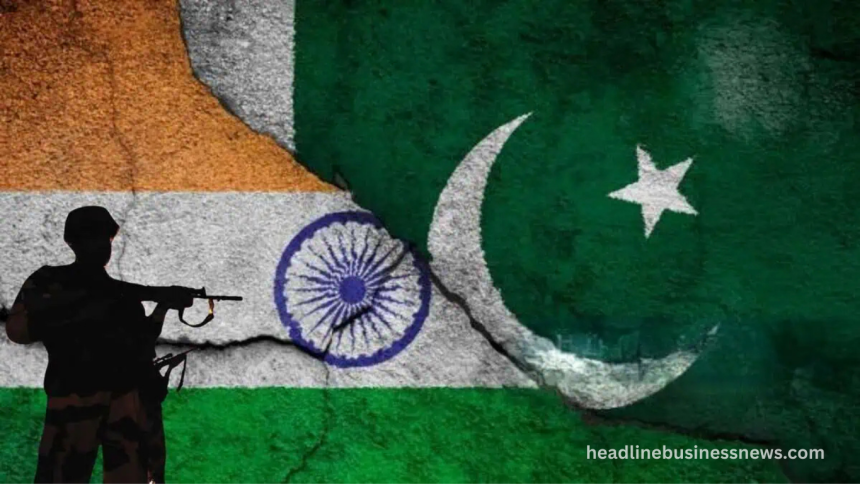
In a significant diplomatic development, the United States has once again called on India and Pakistan to engage in meaningful dialogue aimed at reducing tensions and promoting regional stability. As two nuclear-armed neighbors with a history of conflict, their relationship continues to be a matter of global concern. The U.S., recognizing the potential repercussions of escalating hostility in South Asia, has emphasized peaceful resolution and cooperation between the two nations.
This appeal from Washington comes amid renewed concerns over cross-border incidents, geopolitical competition, and regional security issues. As a long-time partner of both countries, the U.S. has reiterated its support for direct communication and confidence-building measures to ease long-standing disputes. The message underscores the importance of diplomacy and multilateral cooperation in managing conflict and building long-term peace in a volatile region.
Historical Tensions and Conflicts Between India and Pakistan
India and Pakistan have experienced multiple military confrontations since their partition in 1947, including full-scale wars and numerous skirmishes over Kashmir. These tensions stem from historical grievances, religious divisions, and territorial claims. While peace efforts have been made, mistrust and unresolved issues continue to strain relations.
U.S. Interests and Role in South Asian Stability
Due to economic, security, and nuclear concerns, the United States has strategic interests in ensuring peace in South Asia. As an ally to both India and Pakistan, the U.S. often acts as a mediator, encouraging bilateral dialogue. Washington’s involvement helps reduce the risk of escalation and supports international peacekeeping norms.
Importance of Regional Stability for Global Security
South Asia’s security directly impacts global peace due to the nuclear capabilities of both nations and the potential for cross-border terrorism. Instability in the region could affect global trade routes, refugee flows, and international investment. Hence, maintaining peace between India and Pakistan is essential for broader international stability.
Read More : Judge Orders Release of Columbia Student Mohsen Mahdawi on Bail
Challenges Hindering India-Pakistan Dialogue
Several challenges complicate diplomatic efforts, including domestic political pressures, public sentiment, and incidents of violence. Cross-border terrorism, particularly in Kashmir, remains a sensitive issue for India, while Pakistan often raises concerns about alleged human rights violations. These issues make consistent and productive dialogue challenging to maintain.
Pathways to Conflict Resolution and Peace Building
Conflict resolution may involve confidence-building measures such as reopening trade routes, restoring people-to-people exchanges, and implementing joint border mechanisms. Third-party facilitation by trusted international actors like the U.S. or the United Nations could also help mediate talks, paving the way for long-term peace agreements and trust-building.
U.S. Diplomatic Approaches in Past Crises
Historically, the U.S. has played a stabilizing role during heightened India-Pakistan tensions, such as the Kargil War in 1999 or after the Mumbai attacks in 2008. American diplomacy has included backchannel communications, joint military dialogues, and leveraging economic partnerships to foster cooperation and avoid conflict.
Frequently Asked Questions
Why does the U.S. want India and Pakistan to reduce tensions?
The U.S. seeks regional stability to prevent conflict, ensure nuclear safety, and support economic growth in South Asia.
Has the U.S. successfully mediated between India and Pakistan before?
While not an official mediator, the U.S. has facilitated dialogue and reduced tensions during past crises through diplomatic pressure and engagement.
What are the main issues causing conflict between India and Pakistan?
Key issues include the territorial dispute over Kashmir, terrorism, military escalation, and historical grievances.
How does tension between India and Pakistan affect global security?
Heightened tensions could lead to military conflict, impacting global trade, regional alliances, and nuclear non-proliferation efforts.
Can India and Pakistan resolve their issues without foreign mediation?
While possible, external encouragement from countries like the U.S. often helps initiate or sustain peaceful dialogue.
What role can the United Nations play in India-Pakistan peace talks?
The UN can offer neutral mediation, peacekeeping resources, and forums for dialogue, though both countries have differing views on its involvement.
How do these tensions impact the local populations of both countries?
Civilians in border areas suffer from violence and displacement, while nationalistic rhetoric can lead to strained societal relations and economic setbacks.
Are there any current peace initiatives between India and Pakistan?
Official dialogue remains limited, but informal backchannel contacts and confidence-building measures are occasionally pursued to ease tensions.
Conclusion
The U.S. urging India and Pakistan to reduce tensions underscores the global stakes of peace in South Asia. With a history of conflict and nuclear capabilities, both nations must prioritize dialogue and cooperation. Diplomatic support, including from the U.S., can provide momentum toward sustainable peace. International attention must remain focused on fostering mutual understanding and preventing escalation.