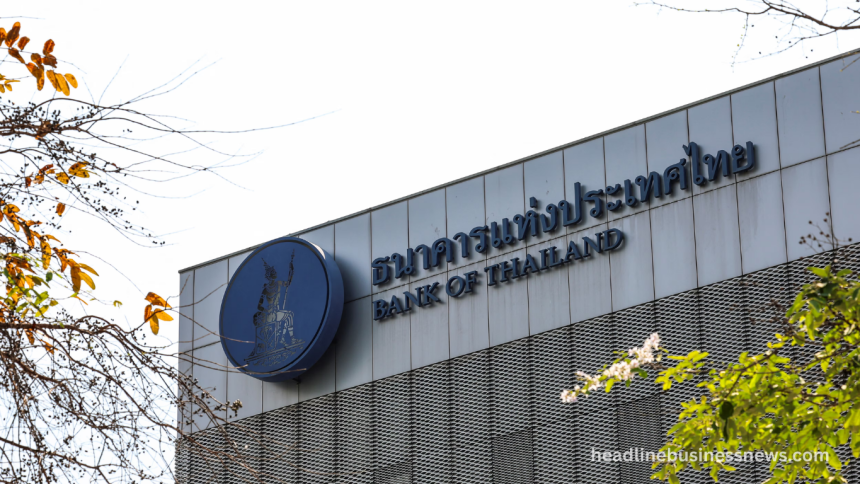
Thailand’s central bank has recently made a significant move by cutting interest rates, aiming to stimulate its slowing economy amid growing global and domestic uncertainties. This strategic decision reflects the nation’s efforts to stabilize financial markets, encourage investment, and maintain consumer confidence during a period marked by sluggish demand, global economic fragility, and geopolitical tensions.
The Bank of Thailand (BoT), facing challenges such as softening exports, fragile tourism recovery, and inflationary pressures, has opted for a more accommodative monetary policy. This rate cut signals a shift in focus toward economic support rather than inflation control. As regional economies also adapt to post-pandemic realities and geopolitical developments, Thailand’s approach offers insight into the balancing act central banks must perform in uncertain economic environments.
Reasons Behind the Bank of Thailand’s Rate Cut
The primary reason for the recent interest rate cut is Thailand’s slower-than-expected economic recovery. Key sectors such as tourism and exports—traditionally strong contributors—have not rebounded fully, leaving the economy vulnerable. Global headwinds, including geopolitical tensions and weakened global trade, are putting additional pressure on Thailand’s economic growth.
Additionally, inflation, once a primary concern, has shown signs of easing. With consumer prices relatively stable, the central bank has more flexibility to lower borrowing costs without triggering inflationary spikes. This move is aimed at boosting liquidity, encouraging consumer spending, and promoting private investment.
How Lower Interest Rates Impact the Thai Economy
Lower interest rates reduce borrowing costs for both consumers and businesses. This makes it cheaper to finance homes, vehicles, and business expansions. For Thailand, this could help stimulate internal demand and support economic growth at a time when external demand remains weak.
Moreover, lower rates can weaken the Thai baht, potentially making exports more competitive. A more favorable exchange rate can benefit key industries, particularly manufacturing and agriculture, by increasing foreign demand for Thai goods.
Challenges Still Facing the Thai Economy
Despite the central bank’s efforts, Thailand continues to face structural and cyclical challenges. Sluggish investment in infrastructure, rising household debt, and labor market mismatches are long-standing issues. Additionally, global economic uncertainties—such as China’s slowdown and U.S. monetary tightening—could further strain the country’s external trade sector.
Read More : Starbucks customers are giving the company over $200 million of free money
While rate cuts can help in the short term, long-term growth will require reforms in areas such as digital infrastructure, education, and public investment efficiency. Fiscal policy and private-sector innovation must also complement monetary measures.
How Investors and Businesses Are Responding
The Thai business community has broadly welcomed the rate cut, viewing it as a proactive move to support cash flow and business continuity. Many small and medium enterprises (SMEs), which often face tight credit conditions, are expected to benefit from easier access to loans and improved financial flexibility.
Meanwhile, investors are closely watching for signs of policy stability and long-term growth potential. Although the rate cut may lower returns on fixed-income investments, it could boost the stock market by improving corporate earnings expectations and encouraging more significant capital inflow.
Thailand in the Context of Global Monetary Trends
Thailand’s policy shift aligns with a broader global trend of monetary easing, particularly in emerging markets where growth remains fragile. Several central banks in Asia and other developing regions have also opted for rate cuts or paused rate hikes to address economic slowdowns and external shocks.
This move reinforces Thailand’s position as a responsive and adaptive economy. However, the central bank must tread carefully to avoid currency volatility and capital outflows, especially as interest rates in major economies like the U.S. remain elevated.
Frequently Asked Questions
Why did the Bank of Thailand cut interest rates?
To stimulate economic growth, boost liquidity, and support key sectors like tourism and exports amid global uncertainty.
How much did the Bank of Thailand cut the rate?
The exact figure varies, but typically, such cuts are between 0.25% and 0.50%, depending on economic conditions.
What sectors will benefit most from the rate cut?
Tourism, exports, real estate, and small businesses are expected to benefit most from lower borrowing costs and increased liquidity.
Will this rate cut affect inflation in Thailand?
Currently, inflation is stable, so the rate cut is not expected to cause significant inflationary pressures in the short term.
How does the rate cut impact the average Thai consumer?
As the economy picks up, consumers may enjoy lower loan interest rates, more affordable mortgages, and improved job prospects.
Could the Thai baht weaken due to this move?
Yes, lower interest rates may lead to a weaker baht, which can help boost exports but may also increase the cost of imports.
What are the risks of cutting interest rates?
Potential risks include increased household debt, capital flight, and long-term asset bubbles if not managed carefully.
Is this a permanent shift in policy?
No, interest rate changes are dynamic. The central bank will continue monitoring economic conditions and may adjust rates as needed.
Conclusion
Thailand’s recent interest rate cut marks a pivotal moment in its economic policy approach. Designed to support domestic growth and combat external pressures, the move reflects a shift toward proactive financial management. As challenges persist, coordinated efforts between monetary, fiscal, and structural reforms will be essential. Stakeholders should stay informed and adapt strategies accordingly to benefit from the evolving economic landscape.