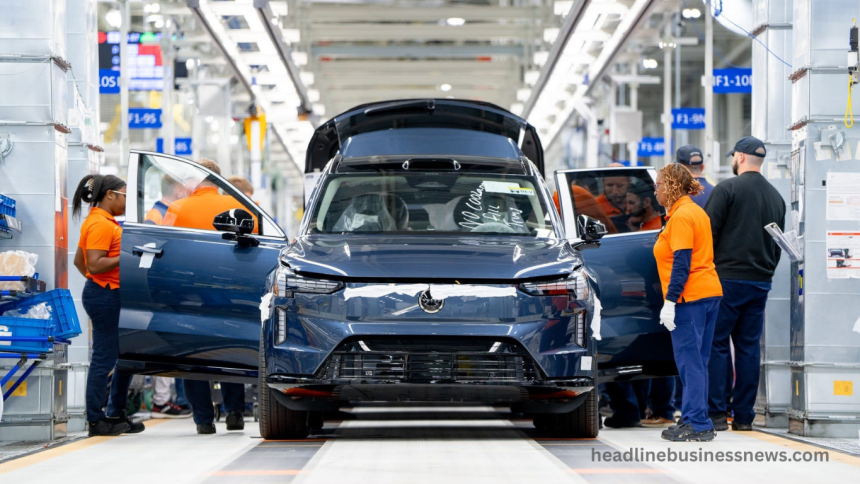
Volvo Car, the iconic Swedish automaker known for its innovation and safety, has recently taken a bold step in response to growing global economic uncertainties. Amid intensifying tariff pressures—particularly between the United States and China—the company has decided to withdraw its financial guidance for the remainder of the year. This move reflects the increasing volatility in global markets and a shifting automotive landscape deeply influenced by political tensions and trade disputes.
Rather than remain reactive, Volvo is proactively launching a robust strategic plan to mitigate the impact of tariffs. The company aims to restructure parts of its supply chain, increase localization of production, and enhance operational efficiencies across key regions. These measures are not only about cushioning short-term shocks but also about positioning Volvo for long-term resilience in an evolving international trade environment.
Tariff Tensions Disrupt the Global Auto Industry
Volvo’s decision comes as the global auto industry grapples with rising tariffs, especially on vehicles and components traded between the U.S. and China. These levies increase production costs and squeeze profit margins, prompting companies to reevaluate sourcing and manufacturing strategies. For Volvo, which operates manufacturing plants in China and Europe and exports globally, the tariffs present a multifaceted challenge.
Financial Guidance Pulled to Reflect Market Uncertainty
The withdrawal of Volvo’s forward-looking guidance is a strong indicator of its cautious stance amid unpredictable market conditions. By not committing to specific financial targets, Volvo is maintaining strategic flexibility. The move also reflects the brand’s desire to avoid overpromising in a climate where trade policies can shift quickly and dramatically.
Strategic Localization as a Core Response
One of the central pillars of Volvo’s response is increasing local production to minimize cross-border tariffs. The automaker plans to shift more manufacturing closer to its major consumer markets, particularly in the United States and Europe. This not only mitigates the impact of tariffs but also shortens supply chains, improves delivery times, and aligns with sustainability goals by reducing transport emissions.
Operational Efficiency to Offset Rising Costs
Volvo is also looking inward to soften the blow of increased costs through enhanced operational efficiency. This includes adopting more automation in its factories, reducing redundancies in logistics, and renegotiating supplier contracts. The goal is to maintain profitability despite external cost pressures without compromising on quality or innovation.
Read More : Mercedes-Benz Can’t Offer Reliable Guidance Amid Market Turmoil
Global Trade Pressures Prompt Industry-Wide Changes
Volvo’s moves are part of a broader trend across the automotive industry, where companies are rethinking global strategies to adapt to new trade realities. From Toyota to BMW, manufacturers are exploring similar tactics—relocating production, stockpiling components, or shifting supply chains—to maintain resilience. This shift marks a significant transformation in how vehicles are designed, built, and delivered around the world.
Focus on Electric Vehicle Expansion as a Strategic Pivot
As part of its long-term plan, Volvo is accelerating its transition to electric vehicles (EVs), which are less susceptible to certain types of tariffs. EV components, particularly batteries, are often sourced differently than traditional automotive parts. By boosting its EV portfolio and investing in battery technology partnerships, Volvo is not only navigating current trade barriers but also future-proofing its business model.
Frequently Asked Questions
Why did Volvo Car pull its financial guidance?
Volvo pulled its guidance due to the unpredictability caused by rising global tariffs and economic uncertainties, mainly affecting international trade flows.
What are the main tariffs impacting Volvo?
Tariffs on vehicles and automotive parts between the U.S. and China significantly affect Volvo, as the company exports and imports between these regions.
How is Volvo planning to counteract these tariffs?
Volvo plans to increase local production in key markets, streamline operations, and focus on efficiency to absorb additional costs.
Will consumers see price increases due to these tariffs?
While Volvo aims to absorb some costs internally, minor price adjustments could occur in certain markets depending on the severity of tariffs.
Is Volvo moving production out of China?
Not entirely, but Volvo is shifting some production closer to end markets, such as the U.S. and Europe, to avoid excessive cross-border tariffs.
What role does electric vehicle production play in Volvo’s strategy?
Electric vehicle expansion helps Volvo avoid some tariffs and aligns with its sustainability and innovation goals.
Are other automakers facing similar issues?
Yes, many global automakers are adjusting their strategies in response to the same tariff-related challenges.
How will these changes affect Volvo’s long-term growth?
If executed well, these strategies could strengthen Volvo’s global competitiveness and improve long-term resilience and profitability.
Conclusion
Volvo’s decision to pull its financial guidance and launch a strategic plan is a calculated response to global tariff pressures. By embracing local production, improving operational efficiency, and focusing on electric vehicles, Volvo is not just weathering the storm but positioning itself for long-term success. Stay informed on how this shift may influence the broader auto industry and future vehicle pricing.