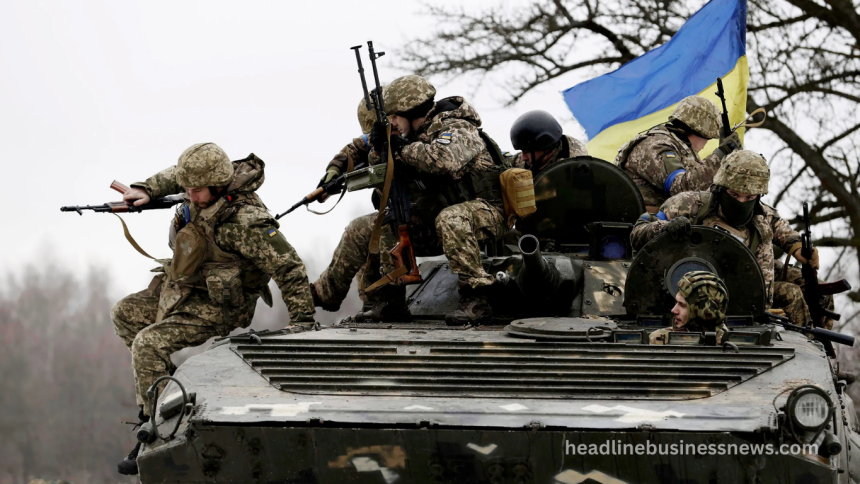
War has been used as a means to resolve disputes, assert dominance, and claim resources. Despite the glorified tales of victories and patriotism, the aftermath of war often tells a different story—one of loss, trauma, and irreversible damage to humanity and the environment. In the modern world, where diplomacy, communication, and international cooperation have evolved, war stands out as a regressive and destructive path.
The phrase “War is not the way” resonates deeply in an era witnessing technological advancement and global interconnectedness. Conflicts today don’t just affect those directly involved but ripple across borders, economies, and generations. Instead of fostering peace and progress, war delays development deepens divisions, and leaves societies grappling with wounds long after the guns fall silent. It’s crucial to understand why rejecting war and embracing peaceful alternatives is not just ethical—but essential.
The Cost of War on Human Lives and Mental Health
War claims countless lives and leaves millions injured, displaced, or psychologically scarred. Civilians, especially women and children, bear the brunt of conflict. Veterans often struggle with PTSD, depression, and long-term trauma, showing that the human cost of war lingers well beyond the battlefield.
Economic Destruction and Loss of Development Opportunities
Armed conflicts devastate national economies by destroying infrastructure, diverting resources, and disrupting trade. Countries spend billions on weapons that could have been invested in education, healthcare, or technology—sectors crucial for sustainable development and long-term stability.
Environmental Damage Caused by Modern Warfare
From bombed landscapes to toxic contamination, war significantly harms the environment. Explosives, deforestation, and pollution disrupt ecosystems and water sources. Modern warfare’s environmental toll contributes to climate change, food insecurity, and health crises in already vulnerable regions.
Diplomacy and Dialogue as Effective Alternatives
Diplomacy, negotiation, and international mediation offer sustainable, non-violent solutions to conflict. Peace talks backed by global organizations like the UN help nations resolve disputes while preserving life, economy, and dignity. These approaches promote mutual respect and long-term cooperation.
The Role of Media in Shaping Public Opinion on War
Media plays a decisive role in either fueling support for war or advocating for peace. Balanced, unbiased reporting can expose the true horrors of war and influence leaders and citizens to push for diplomatic solutions. Media literacy is key in recognizing war propaganda.
Read More : Is the Indus decision legal?
Historical Lessons That Prove War Fails to Deliver Lasting Peace
History is filled with wars that resulted in prolonged suffering rather than meaningful change. From World War I to the Iraq War, most conflicts end in compromise rather than victory. These examples highlight the failure of war to achieve lasting peace or justice.
Frequently Asked Questions
Why do countries still choose war over peace?
Countries often resort to war due to political power struggles, economic interests, or ideological conflicts. However, these reasons rarely justify the long-term damage inflicted by war.
Can war ever be justified?
Some argue that war is justified in self-defense or to prevent greater atrocities. However, even in these cases, efforts should prioritize peaceful resolution before considering armed conflict.
How does war affect future generations?
War disrupts education, healthcare, and security, creating a cycle of poverty and instability. Children growing up in war zones often suffer psychological trauma and limited opportunities.
What are peaceful alternatives to war?
Peaceful alternatives include diplomacy, sanctions, international arbitration, conflict mediation, and grassroots peacebuilding efforts supported by NGOs and governments.
How does war impact the environment?
War destroys ecosystems, pollutes water sources, and contributes to deforestation and greenhouse gas emissions. Its environmental effects can last for decades.
How can individuals advocate against war?
People can support peace-focused organizations, participate in awareness campaigns, vote for leaders promoting diplomacy, and educate others on the consequences of war.
What role do international organizations play in preventing war?
Organizations like the United Nations and the International Court of Justice mediate conflicts, impose sanctions, and provide peacekeeping forces to reduce the chances of war.
Are there successful examples of avoided wars through diplomacy?
Yes, the Cuban Missile Crisis and the Iran Nuclear Deal are prominent examples where dialogue and diplomacy prevented potentially catastrophic wars.
Conclusion
War may seem like a quick solution, but its long-term consequences are far-reaching and devastating. By promoting diplomacy, understanding, and cooperation, we can choose a path of sustainable peace. The world doesn’t need more weapons—it needs more wisdom. Let’s advocate for peace, not war.