The “Third Pole,” a term often used for the Hindu Kush Himalayan region, holds immense environmental and geopolitical significance. As the world’s third-largest repository of frozen water after the North and South Poles, this area influences the lives of over 1.9 billion people across Asia. It is a climate sensitive region where even minor disturbances can have global repercussions.
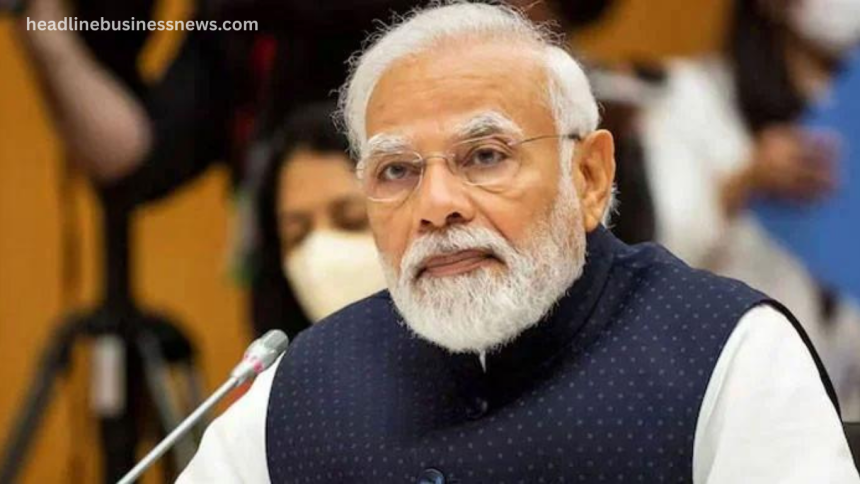
Indian Prime Minister Narendra Modi’s recent high-profile visit and policies in this ecologically fragile zone have stirred what many are calling “Modi Madness.” From military build-ups and border road expansions to symbolic gestures of nationalism atop glaciers, the Prime Minister’s approach at the Third Pole has drawn attention, admiration, and criticism. This article delves into the implications of these actions and how they intersect with climate, politics, and regional stability.
Strategic Importance of the Third Pole for India
The Himalayas serve as India’s natural northern frontier, offering a buffer against China and hosting several crucial river systems. Modi’s government has prioritized infrastructure development in this region, with new roads, tunnels, and helipads improving military mobility and civilian access. While these moves bolster national security, they also disrupt local ecosystems and indigenous communities.
India’s push for strategic dominance here is a response to similar developments by China. This high-altitude chess game has implications for regional peace, environmental sustainability, and international diplomacy.
Environmental Fragility and the Climate Crisis
The Third Pole is warming at twice the global average, causing glaciers to retreat at alarming rates. Modi’s aggressive development agenda—though wrapped in nationalist fervor—could exacerbate the already precarious balance of this ecosystem. Road blasting, deforestation, and increased human activity accelerate glacial melt and biodiversity loss.
Climate scientists warn that any imbalance in the Himalayas can threaten freshwater supplies in South Asia. Modi’s moves, while politically resonant, are drawing scrutiny from environmental watchdogs.
Symbolism Versus Sustainability in Modi’s Policies
Modi has often used powerful symbols—like meditating in a cave in Kedarnath or hoisting flags at high-altitude military bases—to assert India’s spiritual and territorial claim to the region. These gestures, though visually compelling, may overshadow substantive environmental concerns.
Read More : Delhi’s IWT move is dangerous
Critics argue that optics are prioritized over climate resilience, significantly when budget allocations for Himalayan conservation lag behind infrastructure projects. Balancing symbolism with sustainability remains a challenge for the Modi government.
Militarization and Its Ecological Consequences
India’s ramped-up military presence near the Line of Actual Control (LAC) with China includes base construction and troop deployments in extremely high altitudes. While this strengthens India’s defense posture, it also brings increased fuel consumption, waste generation, and human interference in delicate alpine zones.
Critics say such militarization turns the Third Pole into a geopolitical flashpoint instead of a peace-preserving sanctuary. Long-term ecological damage may far outweigh short-term strategic gains.
Tourism and Pilgrimage Boom in the Himalayan Region
With Modi promoting “spiritual tourism,” pilgrimage sites in the Himalayas have seen an unprecedented surge in visitors. Though this boosts the local economy, it strains natural resources and increases the risk of disasters like floods and landslides.
The lack of sustainable tourism models has turned once-pristine valleys into congested, polluted corridors. Experts stress the need for eco-sensitive planning to accommodate Modi’s reignited religious fervor.
Frequently Asked Questions
What is the “Third Pole”?
It refers to the Himalayan region, the world’s third-largest source of ice and freshwater after the Arctic and Antarctic.
Why is Modi interested in the Third Pole?
Strategic, political, and symbolic reasons—security against China, national pride, and spiritual tourism—drive his interest.
Is Modi’s policy at the Third Pole helping or hurting the environment?
While development improves connectivity and defense, it has raised serious concerns about environmental degradation.
What are the ecological impacts of military expansion in the Himalayas?
It causes habitat disruption, glacier retreat, and pollution in fragile alpine zones.
How does climate change affect the Third Pole?
It accelerates glacier melt, alters weather patterns, and threatens water security for millions downstream.
Are there sustainable alternatives to current development in the region?
Yes, through eco-tourism, renewable energy, and green infrastructure planning that respects the region’s limits.
What role does China play in the Third Pole?
China is rapidly expanding its infrastructure in the region, prompting competitive responses from India.
Can international cooperation help protect the Third Pole?
Absolutely. Regional agreements and global climate initiatives can promote conservation and reduce tensions.
Conclusion
Modi’s high-stakes maneuvers at the Third Pole highlight the intersection of nationalism, environmental fragility, and geopolitical tension. While the intent may be national strength and unity, the long-term consequences on climate and regional stability require urgent scrutiny. Sustainable development and diplomatic cooperation must replace symbolic overtures and militarized ambition if the Third Pole is to endure for future generations.