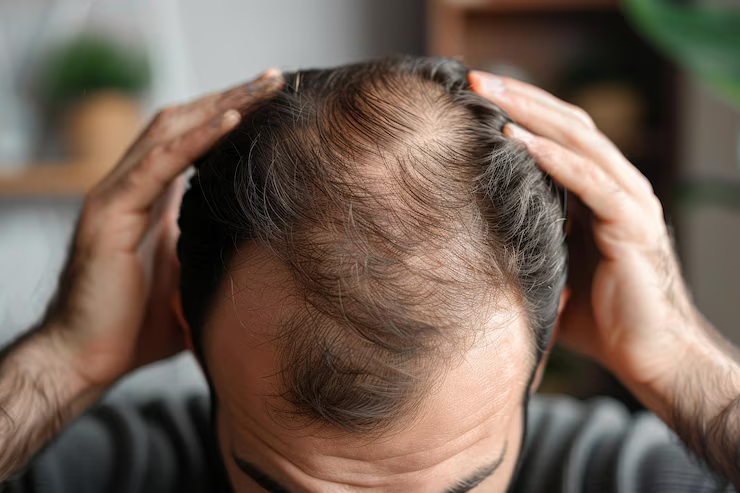
Understanding Alopecia Areata And Its Impact
Alopecia areata treatment is often sought by individuals experiencing sudden or patchy hair loss caused by an autoimmune condition. In alopecia areata, the immune system mistakenly attacks hair follicles, leading to round or irregular bald patches on the scalp, and sometimes other areas of the body.
The condition can vary significantly from person to person. Some experience small, isolated patches, while others may develop more extensive hair loss over time. Although the condition is not physically harmful, it can have a strong emotional and psychological impact, especially when hair loss becomes noticeable.
Because of its unpredictable nature, many people look for cosmetic and supportive solutions such as micropigmentation to help restore the appearance of fuller hair.
What Is Micropigmentation For Hair Loss
Creating The Illusion Of Hair Density
Micropigmentation is a non-surgical cosmetic procedure that uses specialised pigments to replicate the appearance of hair follicles on the scalp. It is sometimes referred to as scalp micropigmentation (SMP).
Instead of restoring hair growth, micropigmentation creates the visual effect of thicker hair or a closely shaved hairstyle. Tiny pigment deposits are applied to the scalp using fine micro-needles, blending with existing hair or covering bald areas.
Suitable For Patchy Hair Loss Conditions
For individuals with alopecia areata treatment needs, micropigmentation can be particularly useful in cases where hair loss is patchy and uneven. It helps reduce the contrast between bald spots and hair-bearing areas, creating a more uniform appearance.
How Micropigmentation Works
Layered Pigment Application
Micropigmentation is performed in layers. The practitioner carefully applies pigment into the upper dermal layer of the skin using micro-needles that replicate the size and appearance of natural hair follicles.
The process involves:
- Matching pigment colour to natural hair tone
- Building density gradually for a natural look
- Adjusting depth and spacing for realistic follicle simulation
Customised Treatment Design
Each treatment is tailored to the individual’s hair pattern and level of hair loss. The goal is not to create a uniform painted effect, but to replicate the natural variation found in real hair follicles.
Benefits Of Micropigmentation For Alopecia Areata
Immediate Visual Improvement
One of the main benefits of micropigmentation is that results are visible quickly. Unlike hair growth treatments that take months to show changes, micropigmentation provides an immediate improvement in the appearance of density.
Camouflaging Patchy Hair Loss
For those dealing with alopecia areata treatment, micropigmentation can effectively reduce the visibility of bald patches. It blends affected areas with existing hair, making thinning less noticeable.
Non-Surgical And Minimally Invasive
Micropigmentation does not involve surgery, incisions, or general anaesthesia. This makes it a less invasive option compared with hair transplant procedures.
Long-Lasting Cosmetic Effect
Although not permanent, micropigmentation results can last several years with proper maintenance. Periodic touch-ups may be required to maintain pigment freshness and colour consistency.
Suitable For Different Stages Of Hair Loss
Micropigmentation can be used whether hair loss is early, moderate, or more advanced. It is also suitable for individuals who prefer a shaved-head appearance.
Micropigmentation Versus Medical Alopecia Areata Treatment
Cosmetic Versus Medical Approach
It is important to understand that micropigmentation does not treat the underlying autoimmune cause of alopecia areata. Instead, it is a cosmetic solution that improves appearance.
Medical alopecia areata treatment may include:
- Topical corticosteroids
- Injectable treatments
- Immunotherapy
- Prescription medications
These treatments aim to manage inflammation and potentially encourage regrowth, depending on the case.
Combining Approaches
In some situations, individuals may use both medical treatments and micropigmentation together. For example, medical treatment may support regrowth in some areas, while micropigmentation helps camouflage areas where regrowth is slower or incomplete.
What To Expect During Micropigmentation Treatment
Consultation And Planning
Before starting treatment, a detailed consultation is performed. The practitioner assesses:
- Pattern of hair loss
- Skin tone and scalp condition
- Natural hair colour
- Desired aesthetic outcome
This ensures that the pigment blend and treatment design look natural and balanced.
Treatment Sessions
Micropigmentation is typically completed over multiple sessions. Each session builds density gradually to avoid an artificial appearance.
During the procedure, patients may feel mild discomfort, but it is generally well tolerated.
Healing Process
After each session, the scalp may appear slightly darker initially. As healing progresses, the pigment softens and settles into a more natural appearance.
Who Is Suitable For Micropigmentation
Micropigmentation may be suitable for individuals who:
- Have patchy hair loss from alopecia areata
- Want a non-surgical solution for hair loss
- Prefer a shaved or closely cropped hairstyle look
- Have stable or ongoing hair loss patterns
- Are not suitable candidates for hair transplant surgery
A professional consultation is essential to determine suitability and expected results.
Limitations Of Micropigmentation
Does Not Restore Hair Growth
Micropigmentation does not stimulate hair regrowth. It is purely a cosmetic technique that creates the appearance of hair density.
Maintenance May Be Required
Over time, pigments may fade due to skin renewal and sun exposure. Touch-up sessions may be needed to maintain the desired look.
Not A Cure For Alopecia Areata
Since alopecia areata is an autoimmune condition, the underlying cause is not addressed through micropigmentation alone.
Important Considerations Before Treatment
Choosing A Skilled Practitioner
The success of micropigmentation heavily depends on the skill of the practitioner. Proper pigment selection, depth control, and hairline design are essential for natural results.
Realistic Expectations
Understanding that micropigmentation is a visual enhancement rather than a medical cure helps ensure realistic expectations.
Skin And Scalp Condition
Healthy scalp condition supports better pigment retention and healing outcomes.
Conclusion
Micropigmentation offers an effective cosmetic solution for individuals seeking to improve the appearance of hair loss caused by alopecia areata. While alopecia areata treatment focuses on managing the underlying medical condition, micropigmentation works by restoring the visual appearance of hair density and reducing the visibility of patchy areas.
By replicating natural hair follicles through carefully applied pigment, this technique provides immediate aesthetic improvement without surgery. Although it does not restore hair growth, it can significantly enhance confidence and appearance for those living with alopecia areata, especially when combined with appropriate medical care.