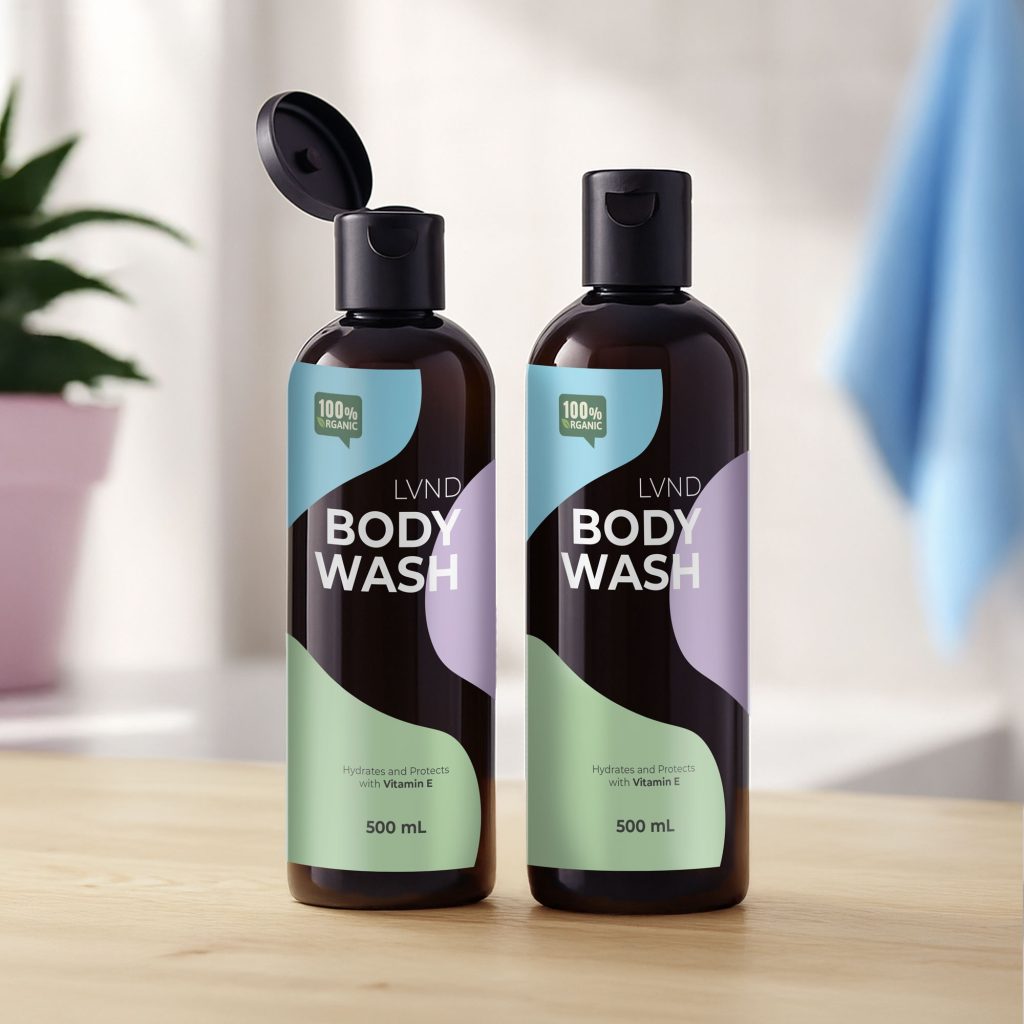
Limited runs live and die on timing. The flavour lands, the collab drops, the season turns, and the window closes fast. Most brands assume a new release means new packaging from scratch, so the idea stalls in quoting and approvals. Custom sticker labels solve a problem most teams never name out loud.
Here is the part nobody mentions in the packaging meeting. Custom sticker labels let you refresh a product’s look in days rather than months, keeping base packaging untouched while the artwork does the clever bit. Seasonal editions and one-off collabs become a design decision instead of a full production project.
Rebuilding Packaging for Every Drop Is an Expensive Habit
The Cost Lands Before the Product: Reworking primary packaging for a short release means fresh artwork and approvals, plus a minimum order quantity built for a product nobody has tested yet. The spend happens before a single unit sells. Brands end up sitting on cartons of packaging for a flavour that was meant to last six weeks.
Delay Narrows Your Options Fast: Print teams regularly see brands book a seasonal run three weeks out and lose the good options immediately. Short lead times push you towards whatever is fastest rather than whatever is right. Variable data printing handles date codes and batch numbers neatly, though only when files land early enough for proper checks.
Small Twists That Make a Standard Product Feel Rare
Colour Swaps Do the Heavy Lifting: A single accent colour change reads as a different product on shelf, even when the base pack is identical. Shoppers register the shift instantly and treat it as something new. A palette swap or a short run printed onto synthetic silver stock costs a fraction of a full packaging redraw.
Date Codes Create Instant Collectors: Numbering a run creates scarcity that shoppers can see. Batch 001 of 500 tells a story generic packaging cannot, and it gives your community something to compare and chase. Custom sticker labels make that numbering practical without touching the primary artwork underneath, so one base pack can carry a dozen editions.
Collabs and Seasons Play by Slightly Different Rules
Two Brands, One Shared Spotlight: Two brands on one product creates an immediate design problem, because neither wants to look like the guest. A separate label gives the partnership its own space, sitting apart from the primary artwork. The base pack keeps its identity, and the collab gets room where the joint story can breathe.
Seasonal Windows Close Without Warning: Christmas artwork that arrives in January is just expensive paper. Seasonal releases run to a fixed calendar, and the Australian summer trading period leaves very little room for reprints or late corrections. Building label lead times into the release schedule from the start protects the launch date better than optimism does.
Where a Full Redesign Wins and Where Labels Win Bigger
Redesigns Lock You in for Months: A full packaging rebuild makes sense when the change is permanent, and the volume justifies it. The trade-off is flexibility. Once artwork is locked and stock is printed, you live with that decision for months, which is awkward for a release that was only ever meant to run for a season.
Labels Keep the Core Line Intact: Custom sticker labels sit on packaging you already trust, so the core range stays consistent while the limited edition does the talking. The honest trade-off is surface. Substrate compatibility matters here, because stock and adhesive have to suit the container, whether that is a glass bottle or a printed carton.
Cheap Tests Now, Smarter Packaging Decisions Later
Small Runs Deliver Real Market Data: Every limited release is a test with a built-in audience. A seasonal flavour that sells out in a fortnight tells you something a focus group never could. Running that test on a small label order rather than a full packaging commitment keeps the cost of being wrong reassuringly small, and the winners earn permanent packaging later.
Steady Base Packaging Protects Recognition: Shoppers find your product by shape and colour before they read a word. Changing everything for each release chips away at that shortcut. Keeping the core pack steady while the seasonal message rides on a label means regulars still spot you at ten paces while the new artwork earns a second look.
Bits Worth Bookmarking for Your Next Drop
Planning Beats Panic Every Time: Limited releases go smoothly when label decisions happen early rather than in a scramble the week before launch. A few practical points save money and stress, particularly for brands running several drops a year with custom sticker labels doing the seasonal heavy lifting. Nothing on the list below is complicated.
- Lock artwork in before the seasonal rush, not during it
- Keep one fixed element across every edition so the range still reads as yours
- Check the container surface before choosing stock and finish
- Order slightly over forecast, because a sold-out reprint rarely arrives in time
- Store spare labels flat and cool
Novelty Fades Fast, Good Planning Does Not
Limited editions reward brands that move quickly without cutting corners. The creative side is the fun part, and the practical side keeps the release on shelf when it should be. Getting stock and adhesive right means the artwork survives cold storage and freight handling long enough to do its job properly.
Fast creative refreshes keep your range interesting without gambling the packaging budget on an untested idea. Leave the label decision late, and the seasonal window closes while approvals are still pending. Start with a quick chat about your next release, request a quote for the run, and get the artwork moving early.